
SSRIs and NSAIDs: Managing the Risk of GI Bleeding
Apr, 8 2026
GI Bleeding Risk Estimator
Disclaimer: This tool is for educational purposes and based on general medical data. It is NOT a diagnostic tool. Always consult a healthcare provider before changing medications.
The risk isn't just a theoretical possibility. Research shows a consistent 75% increase in the risk of upper gastrointestinal (GI) bleeding when these two are used together compared to using an NSAID alone. While neither drug is necessarily "wrong" for you, the way they interact in your body can turn a manageable treatment plan into a medical crisis. If you are managing both depression and chronic pain, understanding how to navigate this interaction is essential for your safety.
Why This Combination Causes Bleeding
To understand why your stomach becomes vulnerable, you have to look at how these drugs affect your blood and your gut. Serotonin isn't just in your brain; it is also stored in your platelets, the tiny cells responsible for plugging leaks in your blood vessels. Selective Serotonin Reuptake Inhibitors (SSRIs) block the reuptake of serotonin into these platelets. When platelet serotonin levels drop, the blood doesn't clot as efficiently. This is known as compromising primary hemostasis.
At the same time, NSAIDs like ibuprofen or naproxen attack the problem from a different angle. They inhibit enzymes called cyclooxygenases (COX), which are necessary for producing prostaglandins. Prostaglandins act as a protective shield for your stomach lining. Without them, the stomach wall becomes thin and prone to ulcers. When you combine a "leaky" stomach lining (caused by NSAIDs) with "slippery" platelets that can't clot (caused by SSRIs), you have a recipe for significant GI bleeding.
Quantifying the Risk: What the Data Says
The numbers are sobering. A massive analysis of over 1.2 million patients confirmed that the odds ratio for bleeding stays consistently high at 1.75, even when adjusting for age and other health issues. In some high-risk groups, the danger is even more acute. For instance, a study published in JAMA Internal Medicine found that people using both SSRIs and NSAIDs had a bleeding risk more than 12 times higher than those using neither.
Not all medications in these classes behave the same way. The risk often depends on the specific drug and the dose. For example, COX-2 selective inhibitors, such as Celecoxib, generally show a much lower risk of GI bleeding compared to non-selective options. Similarly, the risk tends to climb if you've been on an SSRI for more than 90 days or if your NSAID dose exceeds 1,200 mg of ibuprofen equivalent per day.
| Medication Type | Mechanism of Action | Relative Bleeding Risk |
|---|---|---|
| Non-selective NSAIDs (e.g., Naproxen) | Inhibits COX-1 and COX-2 | High |
| COX-2 Inhibitors (e.g., Celecoxib) | Targeted COX-2 inhibition | Lower (approx. 50% less than non-selective) |
| Acetaminophen (Tylenol) | Central nervous system action | Negligible / No significant interaction |
| SSRI + NSAID Combination | Dual pathway (Platelet + Mucosal) | Very High (Multiplicative effect) |
Who is Most at Risk?
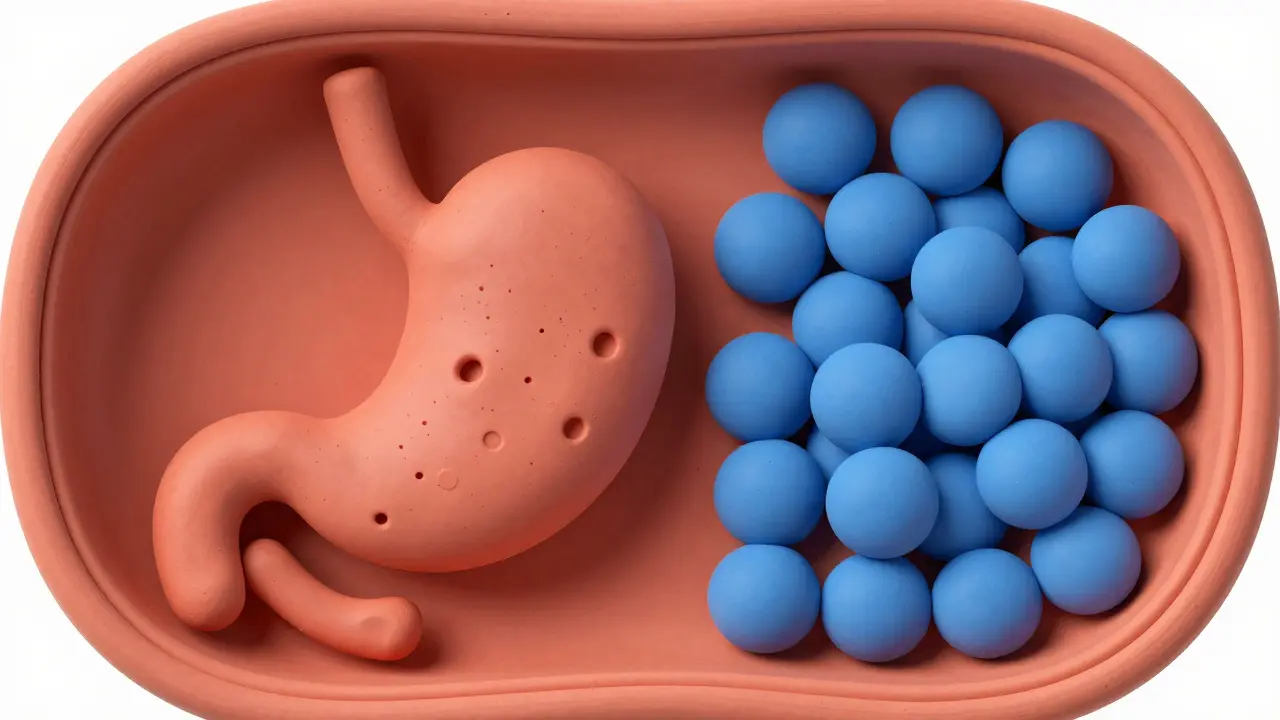
While anyone taking this combination should be cautious, certain people are in the "red zone." If you fall into any of these categories, the risk of a life-threatening bleed is significantly higher:
- Seniors: Patients over age 65 have thinner stomach linings and are more likely to have other health complications.
- History of Ulcers: If you've had a stomach ulcer or GI bleed in the past, your system is already predisposed to failure.
- Aspirin Users: Adding low-dose aspirin to an SSRI and NSAID regimen creates a "pharmacological cascade" of antiplatelet effects that can lead to severe hemorrhaging.
- Complex Comorbidities: Those with low albumin levels or kidney issues are often more vulnerable.
Prevention Strategies and Safer Alternatives
You don't always have to choose between your mental health and your physical pain relief, but you do need a strategy. The goal is to either remove one of the triggers or add a protective layer.
The first and safest move is substitution. Acetaminophen (paracetamol) does not interfere with platelet function or damage the stomach lining in the same way NSAIDs do. For many patients, switching from ibuprofen to acetaminophen completely eliminates the interaction risk without sacrificing pain control.
If you absolutely must stay on both medications, doctors often prescribe Proton Pump Inhibitors (PPIs), such as Omeprazole. PPIs are medications that reduce the amount of acid produced by the stomach. By lowering the acidity, PPIs protect the stomach lining from the corrosive effects of NSAIDs. Evidence suggests that PPI co-therapy can reduce the absolute risk of bleeding by roughly 70%.
In some cases, your doctor might suggest a different type of antidepressant. Newer options like vortioxetine have shown lower rates of bleeding events in clinical trials compared to traditional SSRIs, making them a potentially safer choice for those who cannot avoid NSAIDs.

Recognizing the Warning Signs
Because these medications are often taken daily, symptoms can creep up slowly. You shouldn't wait for a massive bleed to seek help. Watch for these red flags:
- Tarry Stools: Stools that look black, sticky, or like coffee grounds are a classic sign of upper GI bleeding.
- Unexpected Bruising: If you notice large bruises appearing without a clear injury, your clotting ability may be compromised.
- Upper Abdominal Pain: A persistent gnawing or burning sensation in the upper stomach.
- Fatigue and Paleness: Anemia caused by slow, chronic blood loss can make you feel exhausted and look pale.
Can I take a single ibuprofen while on an SSRI?
Occasional, short-term use of an NSAID is generally lower risk than chronic daily use. However, the interaction still exists. If you only need a pain reliever once every few weeks, the risk is minimal, but for anyone with a history of ulcers, even a single dose can be problematic. It is always safer to use acetaminophen as a first choice.
Do all antidepressants increase bleeding risk?
No. This risk is most prominent with SSRIs and SNRIs (Serotonin-Norepinephrine Reuptake Inhibitors) because they specifically target serotonin, which is vital for platelet aggregation. Other classes of antidepressants, such as bupropion or certain atypical antidepressants, do not have this same effect on platelets.
Are PPIs safe for long-term use with this combination?
While PPIs are highly effective at preventing GI bleeds, long-term use can lead to other issues, such as magnesium deficiency or altered gut microbiome. However, for high-risk patients on the SSRI-NSAID combination, the benefit of preventing a life-threatening bleed usually far outweighs these risks. Always discuss the long-term plan with your gastroenterologist.
Why didn't my doctor warn me about this?
Many clinicians overlook this interaction because the absolute risk for a healthy young person is relatively low (often below 1% annually). However, for elderly patients or those with comorbidities, the risk spikes. As electronic health record alerts become more common, this gap in communication is closing.
What is the safest pain reliever for someone on fluoxetine or sertraline?
Acetaminophen is widely considered the safest option because it does not affect platelet function or the protective prostaglandins in the stomach lining. If you need something for inflammation specifically, a COX-2 inhibitor like celecoxib is generally safer than ibuprofen or naproxen, though it still requires medical supervision.
Next Steps for Patients and Caregivers
If you are currently taking both an SSRI and an NSAID, don't panic and stop your medication abruptly-that can cause severe withdrawal symptoms. Instead, take a proactive approach:
- Audit your medicine cabinet: Look for hidden NSAIDs in multi-symptom cold and flu medicines or joint creams.
- Schedule a medication review: Bring a full list of your prescriptions and over-the-counter drugs to your doctor. Ask specifically, "Am I at risk for GI bleeding given my combination of antidepressants and pain relievers?"
- Discuss alternatives: Ask if you can switch to acetaminophen or if a PPI is necessary for your specific risk profile.
- Monitor your health: Be vigilant about the warning signs mentioned above, especially if you start a new medication or increase your dose.