
How TRIPS Patent Rules Shape Global Access to Generic Medicines
Feb, 22 2026
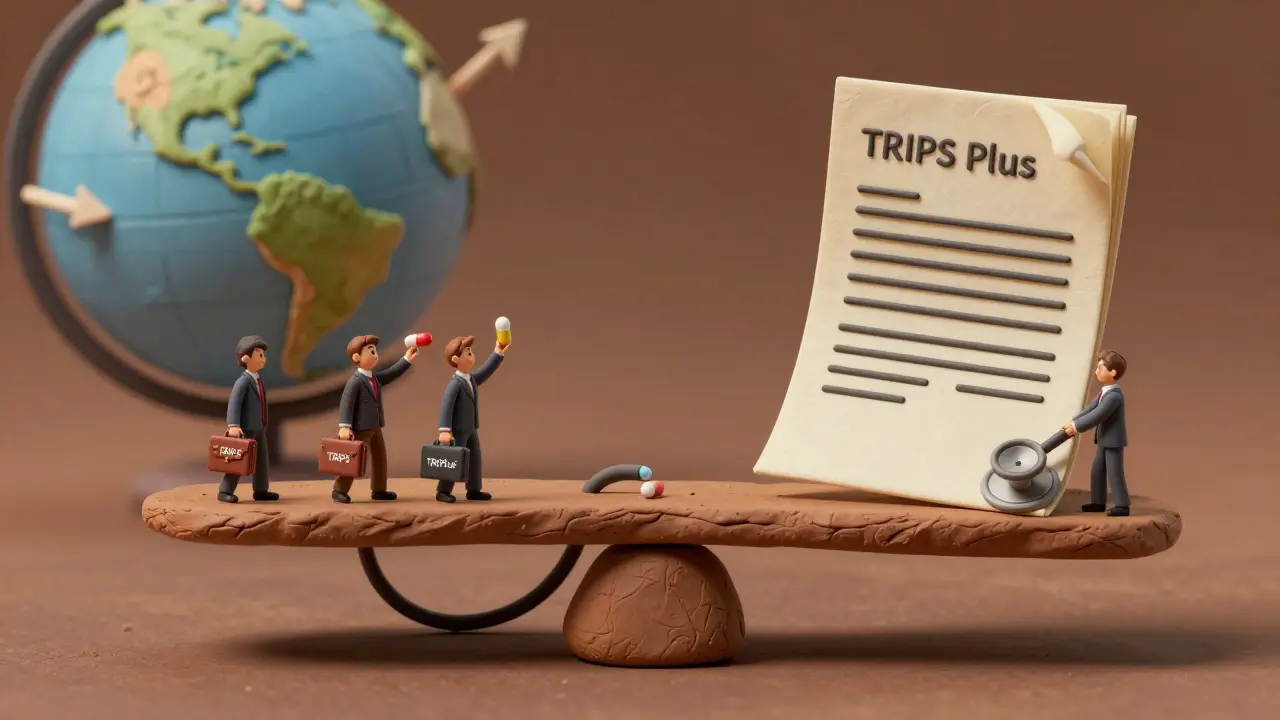
When you buy a life-saving drug like HIV antiretrovirals or cancer medicine, you might assume the price is just about research and development. But behind the sticker price is a complex web of international trade rules - most importantly, the TRIPS Agreement is a global treaty under the World Trade Organization that sets minimum standards for patent protection, including for pharmaceuticals. Also known as Trade-Related Aspects of Intellectual Property Rights, it was signed in 1994 and forced 164 countries to change how they handle drug patents.
What TRIPS Actually Does to Generic Drugs
Before TRIPS, many developing countries didn’t recognize product patents on medicines. They could copy a drug’s chemical formula as long as they made it using a different process. That’s how India became the pharmacy of the developing world - making affordable versions of HIV drugs that cost $10,000 a year in the U.S. for under $100. TRIPS changed all that. It required every member country to grant 20-year patents from the date of filing, no matter how poor or vulnerable their population was. This meant countries could no longer legally produce generic versions of patented drugs until the patent expired.
But there’s a twist. TRIPS includes a loophole - compulsory licensing. This lets governments authorize local companies to make generic versions without the patent holder’s permission, if there’s a public health emergency. The problem? The rules are stacked against countries that need it most. Article 31(f) says any compulsory license must be used predominantly for the domestic market. So if a country like Malawi doesn’t have a drug factory, it can’t import cheaper generics made in India, even if it’s facing an AIDS crisis. This rule was designed to protect pharmaceutical companies’ profits, not patients’ lives.
The Real Cost of Patent Protection
The numbers don’t lie. According to a 2001 study in the Journal of the American Medical Association, prices for patented drugs jumped over 200% in developing countries after TRIPS kicked in. In South Africa, the 40 largest pharmaceutical companies sued the government in 1998 for trying to import generic HIV drugs. The lawsuit was dropped only after global protests. Brazil faced similar pressure from the U.S. in 2000 after producing its own generic antiretrovirals - but eventually won the right to continue after public outcry.
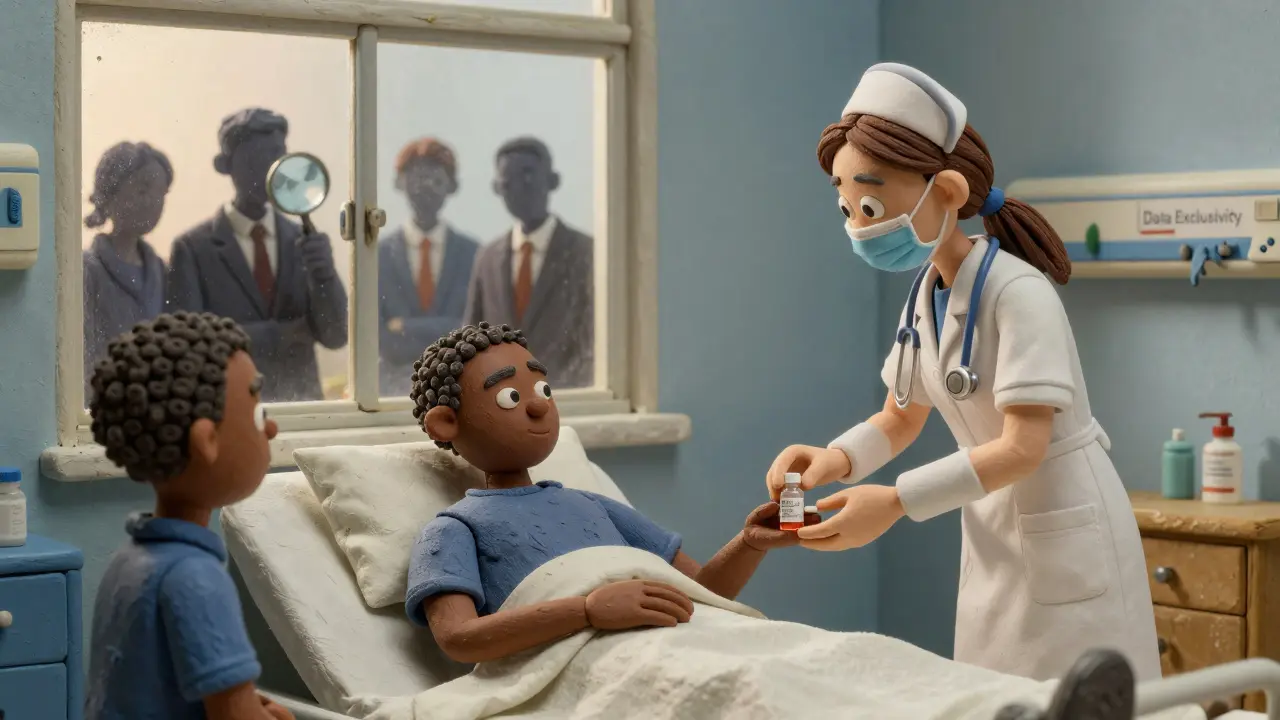
India’s transition from process to product patents in 2005 was brutal. A 2008 Lancet Oncology study found prices for some cancer drugs jumped 300% to 500% overnight. In countries with weak regulatory systems, even when patents expire, companies use tricks like data exclusivity - blocking regulators from approving generics for 5 to 10 years by claiming their clinical trial data is proprietary. This extends monopolies long after patents legally expire.
Who Wins? Who Loses?
The pharmaceutical industry says strong patents are essential for innovation. They point out that 73% of new drugs approved since 2000 came from companies in countries with strict IP laws. That’s true - but it ignores the bigger picture. Of the 1,223 new drugs developed between 1975 and 1997, only 13 were for tropical diseases like malaria or sleeping sickness - diseases that mostly affect poor countries. The system rewards drugs for wealthy markets: erectile dysfunction pills, weight-loss drugs, or new versions of existing medicines with minor tweaks.
Meanwhile, low-income countries struggle. The Access to Medicine Foundation reported in 2019 that 65% of them faced delays in approving generic drugs because of extra patent rules pushed by rich nations. These are called TRIPS Plus provisions - hidden in free trade deals. The EU-Vietnam Trade Agreement, signed in 2020, required eight years of data exclusivity. The U.S. has inserted similar clauses into over 85% of its trade agreements. These aren’t part of TRIPS - they’re extra, and they’re hurting access.
The Doha Declaration and the Long Road to Change
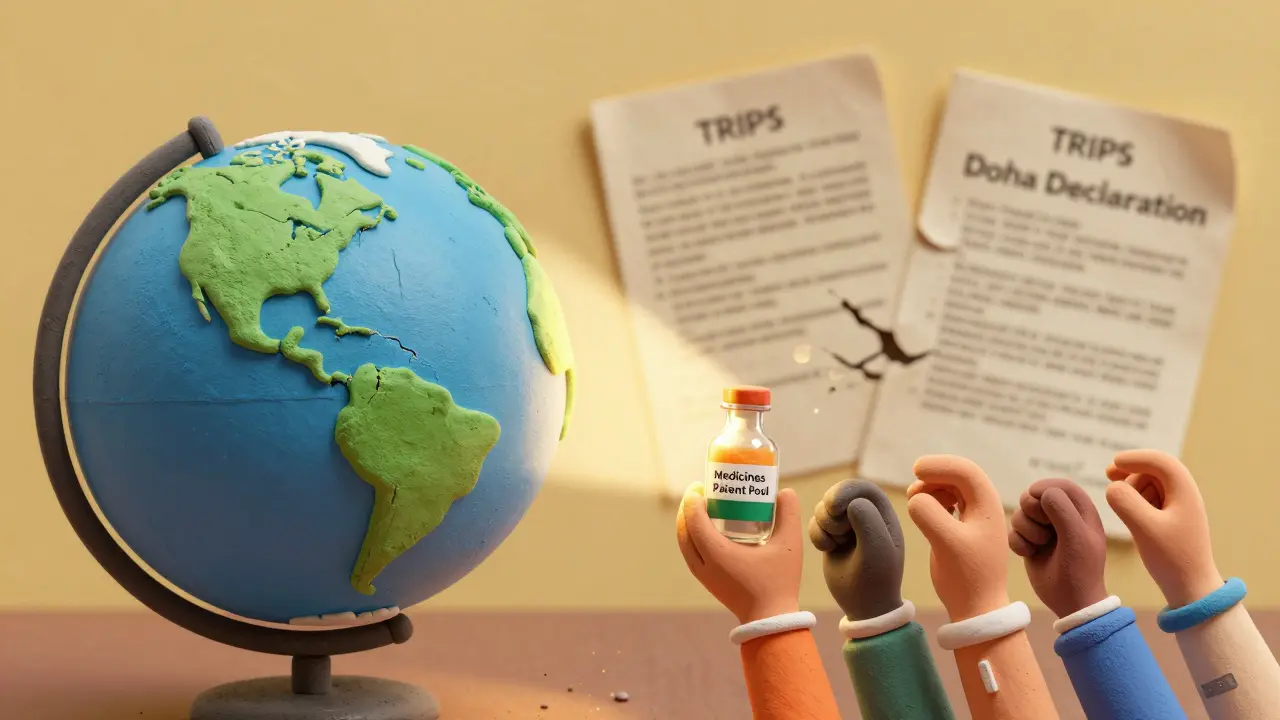
In 2001, after years of pressure from activists, doctors, and aid groups, WTO members agreed on the Doha Declaration. It said public health comes before patents. It confirmed countries could issue compulsory licenses and even import generics from other countries. But the fine print made it almost useless. The mechanism for cross-border licensing - known as the Paragraph 6 Solution - required so much paperwork, legal review, and bureaucratic coordination that only two countries ever used it: Canada and Rwanda. By 2016, just one shipment of malaria medicine had been sent under this system.
Thailand and Brazil were the only countries bold enough to issue compulsory licenses for HIV drugs in the early 2000s. Both were threatened with trade sanctions. The message was clear: challenge the system, and you’ll be punished.
How Generic Drugs Finally Made a Breakthrough
One bright spot: the Medicines Patent Pool, launched in 2010. It’s not a government agency. It’s a nonprofit that negotiates voluntary licenses with drugmakers. So far, it’s secured rights to 16 HIV drugs, 6 hepatitis C treatments, and 4 TB medicines. These licenses let generic manufacturers in low-income countries produce and sell them legally. As of 2022, this effort reached 17.4 million people. It works because it’s built on cooperation, not confrontation.
And then came the pandemic. In October 2020, India and South Africa proposed a temporary waiver of TRIPS protections for COVID-19 vaccines and treatments. Over 100 countries supported it. The U.S., EU, and Switzerland resisted - until June 2022, when the WTO agreed to a limited waiver. It didn’t cover all drugs or vaccines, and it had a sunset clause. But it was historic. For the first time, the world acknowledged that during a global emergency, patent rights can’t override human lives.
What’s Left to Fix
Today, 80% of medicines in low-income countries are off-patent - meaning they could be made cheaply. But many still aren’t available because of weak supply chains, lack of local manufacturing, or lingering patent barriers. The World Bank found that countries implementing TRIPS without public health safeguards saw a 15-20% drop in generic availability within five years.
What’s needed? Three things:
- Eliminate the domestic market restriction on compulsory licensing - let countries import generics freely.
- End data exclusivity - let regulators approve generics based on their own testing, not the originator’s data.
- Stop TRIPS Plus clauses in trade deals - no more hidden patent extensions.
The global generic drug market is now worth over $420 billion. But that growth is mostly in rich countries. In places where people die because they can’t afford treatment, the system is still broken.
The truth is simple: patents shouldn’t decide who lives and who dies. The TRIPS Agreement was written by lawyers and lobbyists. It wasn’t designed by doctors. It wasn’t designed by patients. And until we rewrite it with their needs at the center, millions will keep paying too much - or paying with their lives.
Does TRIPS ban generic drugs entirely?
No, TRIPS doesn’t ban generics. It just makes it harder. Countries can still produce or import generic versions using compulsory licensing, but only under strict conditions. The biggest barrier isn’t legality - it’s politics, pressure, and complex rules that favor big drug companies.
Why do some countries still make cheap generics despite TRIPS?
Countries like India, Brazil, and South Africa still produce generics because they have strong manufacturing capacity and political will. India, in particular, had a pre-TRIPS system that allowed process patents, so it built a massive generic industry. Even after TRIPS, it used legal loopholes and public pressure to keep producing affordable medicines - especially for HIV and cancer drugs.
Are generic drugs safe?
Yes. Generic drugs contain the same active ingredients as brand-name drugs and must meet the same quality, safety, and effectiveness standards. The WHO, FDA, and European Medicines Agency all approve generics. The difference is price - not quality. In fact, many generic manufacturers supply drugs to the U.S. and EU markets.
What’s the difference between patent expiry and data exclusivity?
Patent expiry means the legal monopoly on the drug’s formula ends. Data exclusivity is a separate rule that blocks regulators from using the original company’s clinical trial data to approve a generic - even if the patent is gone. This can delay generics by 5 to 10 years after the patent expires, effectively extending the monopoly.
Can a poor country just ignore TRIPS?
Technically, no - all WTO members are bound by TRIPS. But in practice, some countries have defied it. Brazil and Thailand issued compulsory licenses for HIV drugs despite threats from the U.S. and drug companies. The cost? Political isolation and trade threats. But they also saved thousands of lives. The system isn’t fair - but it’s not unbreakable.


