
Bromocriptine for Diabetes: How to Manage Nausea, Dizziness, and Get the Timing Right
Dec, 7 2025
Bromocriptine Timing Calculator
How to Use This Tool
Enter your wake-up time and shift schedule to get your optimal bromocriptine window. Bromocriptine must be taken within 2 hours of waking to work properly.
Important: If you work night shifts, you'll need to take it after waking from your shift. The timing must be consistent for the medication to work.
Most people with type 2 diabetes start with metformin. But if that doesn’t work, or if you can’t tolerate it, there’s another option most doctors don’t talk about: bromocriptine. It’s not a typical diabetes drug. It doesn’t boost insulin or flush out sugar through your kidneys. Instead, it talks to your brain-specifically, the part that controls your body’s daily rhythm. And if you take it wrong, it can make you feel awful. But take it right? It might protect your heart.
What Bromocriptine Actually Does
Bromocriptine, sold under the brand name Cycloset, is the only diabetes medicine that works by resetting your brain’s internal clock. It targets dopamine receptors in the hypothalamus, which helps calm down the overactive stress signals that make your liver pump out too much glucose in the morning. This isn’t just about lowering blood sugar-it’s about fixing a deeper problem: your body’s natural rhythm being out of sync.
Unlike metformin, which lowers blood sugar by making your muscles more sensitive to insulin, or SGLT2 inhibitors, which make you pee out sugar, bromocriptine doesn’t cause weight gain or low blood sugar. In fact, clinical trials show it doesn’t change your weight at all. And unlike sulfonylureas, which can trigger dangerous hypoglycemia in 16% of users, bromocriptine only causes low blood sugar in 0.2% of cases.
The real win? Heart protection. A major 52-week study found people taking bromocriptine had a 40% lower risk of heart attack, stroke, or heart-related death compared to those on placebo. That’s why the American Diabetes Association says it’s a reasonable choice-if you already have heart disease or are at high risk.
Why Timing Matters More Than Anything Else
Here’s the catch: bromocriptine only works if you take it within two hours of waking up. Not three. Not four. Two.
Why? Because your brain’s dopamine activity peaks in the early morning. That’s when your body naturally shifts from fasting to feeding mode. If you take the pill at noon, it’s like trying to turn on a light switch after the sun has already risen. It doesn’t work the same way.
Studies show people who took bromocriptine within two hours of waking reduced their HbA1c by 0.7% more than those who took it later-even if they took the same dose. That’s the difference between a meaningful result and no result at all.
That’s why night shift workers often can’t use it. If you wake up at 8 p.m. after work, you’re supposed to take it by 10 p.m.? But then you’re asleep by midnight, and the drug’s half-life is only 6-8 hours. By the time your body wakes up again, the medicine is gone. That’s why many patients switch back to metformin after a few months.
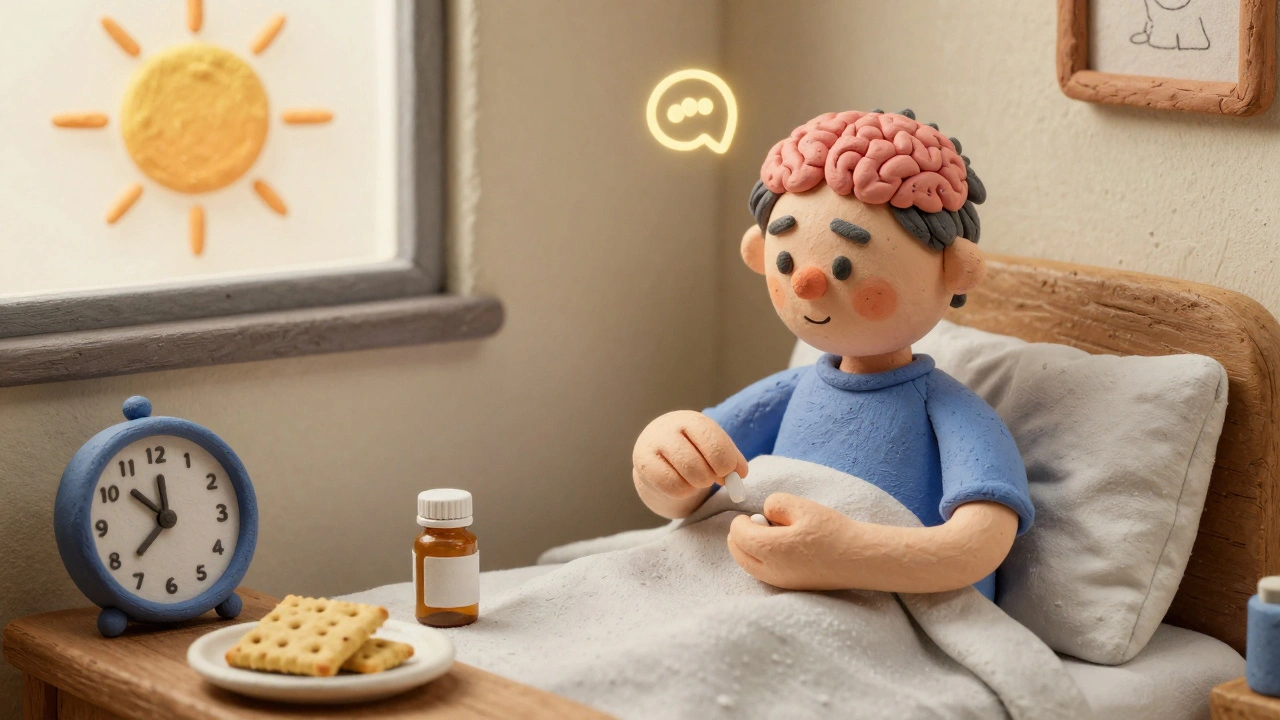
Practical tip: Set two alarms. One to wake up. One for your pill. Keep the bottle right next to your bed. Don’t wait until you’ve had coffee or checked your phone. Do it immediately.
Nausea: The #1 Reason People Quit
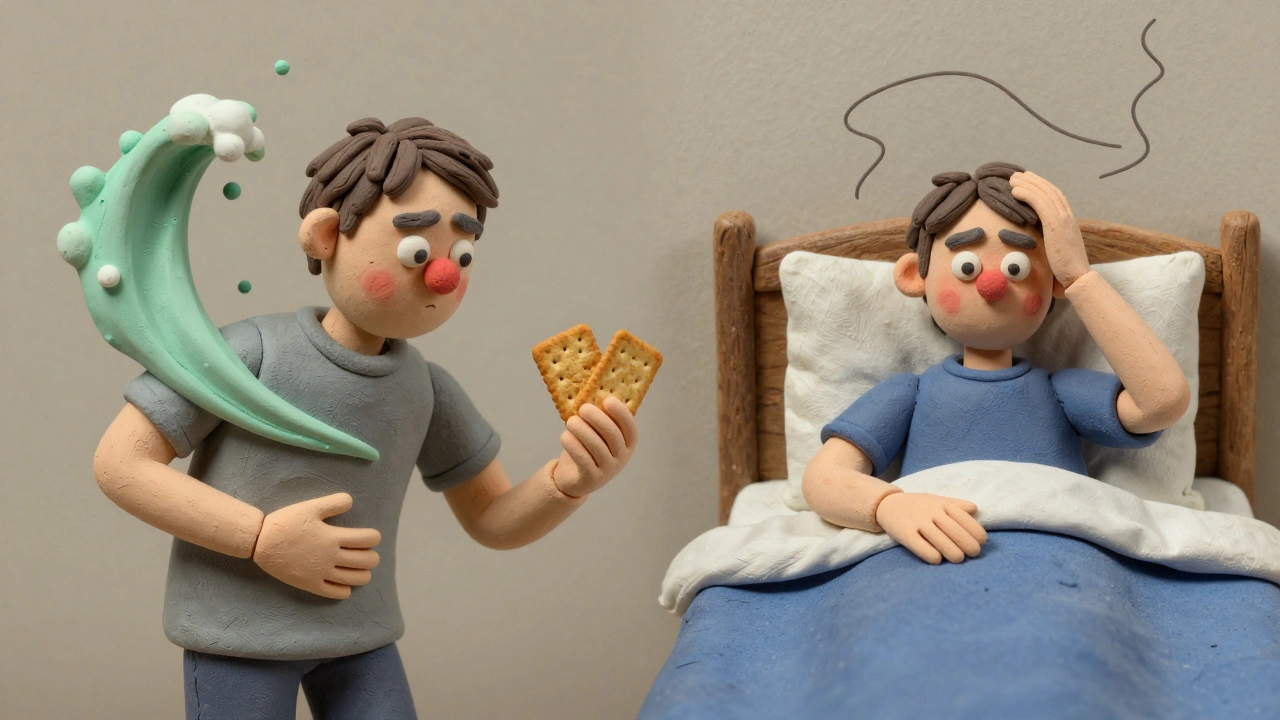
One in three people who start bromocriptine feel sick to their stomach. Some say it’s worse than the first week of chemotherapy. But here’s the thing-it’s not permanent.
When taken at full dose (4.8 mg) right away, nausea hits 32% of users. But if you start low and go slow, it drops to under 18%. The standard titration plan is:
- Week 1: 0.8 mg daily
- Week 2: 1.6 mg daily
- Week 3: 2.4 mg daily
- Week 4: 3.2 mg daily
- Week 5: 4.0 mg daily
- Week 6: 4.8 mg daily
That’s six weeks to get to the full dose. Rushing it? You’re setting yourself up to quit.
What helps? Eat something dry-two crackers, a bite of toast, a plain bagel. Don’t take it on an empty stomach. Don’t wash it down with water or juice. Wait 30 minutes after swallowing before drinking anything. Studies show 78% of people who stick to this method find nausea becomes manageable.
Another trick: ginger. Take a 250 mg ginger capsule 30 minutes before your dose. One study showed it cut nausea severity by 40%. It’s not magic, but it’s science.
Dizziness: The Silent Side Effect
Nausea gets all the attention, but dizziness is just as common-and just as frustrating. About 12% of users feel lightheaded, especially when standing up too fast. It’s not fainting. It’s a quick, dizzy rush that lasts 15 to 30 minutes.
It happens because bromocriptine slightly lowers blood pressure. That’s not dangerous for most people, but it’s enough to make you feel off-balance.
The fix? Don’t jump out of bed. Sit up slowly. Wait a full minute. Then dangle your legs over the side. Wait another 30 seconds. Then stand. Most people who do this report the dizziness fades within 2-4 weeks.
And here’s the good news: if you stick with it, the dizziness usually disappears completely. Post-marketing data shows 85% of users who keep taking it daily stop noticing it after a month.
Who Should-and Shouldn’t-Take It
Bromocriptine isn’t for everyone. It’s designed for a specific group:
- You have type 2 diabetes and already have heart disease
- You can’t take metformin because of stomach issues or kidney problems
- You’re willing to stick to a strict morning routine
- You’re okay with a slow start and gradual side effect management
It’s not for you if:
- You work nights and can’t wake up at the same time every day
- You have a history of fainting or syncopal migraines
- Your kidneys are severely damaged (eGFR under 30)
- You’re already on other dopamine-affecting drugs like antipsychotics
It’s also not a first-line drug. The American Diabetes Association still puts metformin, SGLT2 inhibitors, and GLP-1 agonists ahead of it. But if you’re in the 12.7% of type 2 diabetics with heart disease who can’t tolerate other meds? Bromocriptine might be your best shot at protecting your heart without gaining weight or crashing your blood sugar.

What’s Next for Bromocriptine?
Right now, it’s a niche drug. Only 0.8% of people with type 2 diabetes in the U.S. are on it. Most prescriptions come from endocrinologists-not primary care doctors-because it’s tricky to use.
But things might change. A big new trial called BROADEN-CV is wrapping up in late 2025. It’s tracking 3,500 people over 5 years to see if bromocriptine really does cut heart events long-term. If the results are strong, it could move up the guidelines.
Meanwhile, researchers are testing it with GLP-1 drugs like semaglutide. Early data suggests combining them might lower HbA1c even more-up to 1.2%-while letting you use lower doses of each, which could mean less nausea.
For now, it’s a quiet option. But for the right person, it’s one of the few diabetes drugs that doesn’t just treat sugar-it treats the body’s rhythm.
Can I take bromocriptine at night if I work nights?
No. Bromocriptine must be taken within two hours of waking, no matter what time that is. If you wake up at 8 p.m. after a night shift, take it then. But if your schedule changes daily, you won’t get consistent results. Most night shift workers end up switching to another medication because the timing can’t be maintained.
Will bromocriptine make me lose weight?
No. Unlike GLP-1 drugs or SGLT2 inhibitors, bromocriptine is weight-neutral. Clinical trials showed no significant change in body weight over 24 weeks. That’s actually a benefit if you’re trying to avoid weight gain-but a drawback if you’re hoping for weight loss.
How long until I see results from bromocriptine?
Most people see a small drop in blood sugar within 2-4 weeks. But the full effect on HbA1c takes about 12 weeks. Don’t expect dramatic changes. The goal is a steady 0.4-0.8% reduction in HbA1c-not a miracle fix. The real benefit, heart protection, takes months to show up in tests.
Can I drink alcohol while taking bromocriptine?
It’s not recommended. Alcohol can lower your blood pressure even more, which might make dizziness worse. It can also increase nausea. If you want to drink, wait until you’ve been on the medication for at least a month and know how your body reacts. Then limit it to one drink occasionally.
Is bromocriptine safe for long-term use?
Yes, for people who tolerate it. The original safety study lasted 52 weeks, and follow-up data from real-world use shows no new risks after 2-3 years. The main concern isn’t toxicity-it’s adherence. Most people stop because of nausea or timing issues, not because the drug becomes unsafe.
Final Thoughts
Bromocriptine isn’t a magic pill. It’s not easy. It’s not popular. But it’s the only diabetes drug that treats your body’s internal clock. If you’ve tried everything else and still have high blood sugar-and especially if you have heart disease-it’s worth a serious try. Just don’t rush it. Start low. Stick to the morning. Eat a cracker. Be patient. The nausea fades. The dizziness fades. And if you stick with it, your heart might thank you.


