
Pharmacist Responsibilities When Dispensing Generics: Legal Obligations in the U.S.
Jan, 14 2026
When a pharmacist hands a patient a bottle of generic medication, it might look like a simple swap. But behind that exchange is a web of federal rules, state laws, and professional duties that can make or break patient safety. In 2023, generic drugs made up 90.5% of all prescriptions filled in the U.S.-yet pharmacists are legally responsible for getting every detail right. One mistake-like substituting a drug that shouldn’t be switched-can lead to adverse events, disciplinary action, or even lawsuits.
What Makes a Generic Drug Legal to Substitute?
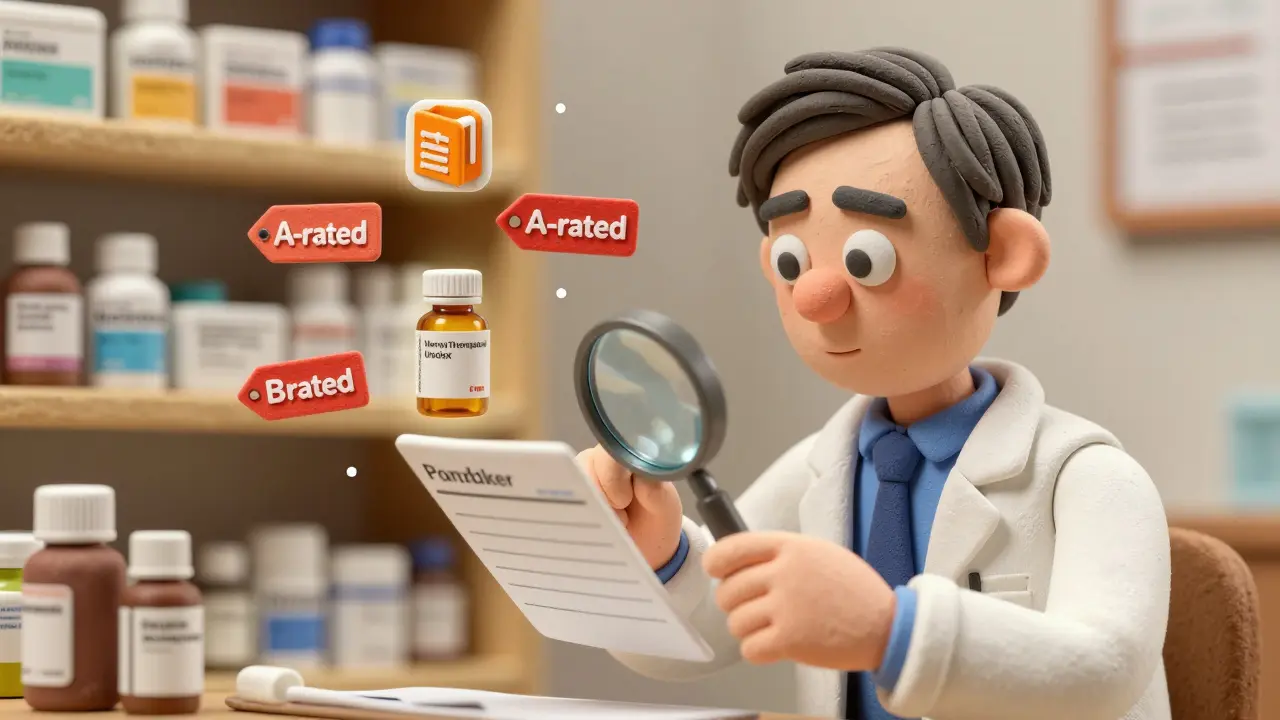
The FDA doesn’t just approve any copycat pill as a generic. Every generic must meet strict criteria: same active ingredient, same strength, same dosage form, same route of administration, and same labeling as the brand-name version. But the biggest requirement? Bioequivalence. That means the generic must deliver the same amount of drug into the bloodstream at the same rate as the brand. The FDA uses the Orange Book a publicly available publication listing approved drug products with therapeutic equivalence evaluations to rate these drugs. Only products marked with an "A" rating are considered interchangeable.
Here’s the catch: not all "A-rated" drugs are safe to substitute. Drugs with a narrow therapeutic index-like warfarin, levothyroxine, lithium, and certain antiepileptics-have a tiny window between effective and toxic doses. Even small differences in absorption can cause harm. The FDA says generics are equivalent, but real-world data tells a different story. A 2019 study in JAMA Internal Medicine found a 12.7% higher rate of adverse events when switching certain cardiac glycosides, even when they were rated "A" by the FDA.
State Laws Vary-Wildly
There’s no single national rule for generic substitution. There are 51 systems: 50 states plus the District of Columbia. Each one has its own rules on when, how, and if you can swap a brand for a generic.
Some states are mandatory substitution states-meaning if a generic is available and not marked "dispense as written," you must substitute. New York and California are among them. Other states are permissive-you can substitute, but you don’t have to. In those places, pharmacists use professional judgment. Then there’s consent. Eighteen states operate on presumed consent: substitution happens unless the patient objects. Thirty-two states require explicit consent-you have to ask the patient, get their okay, and document it.
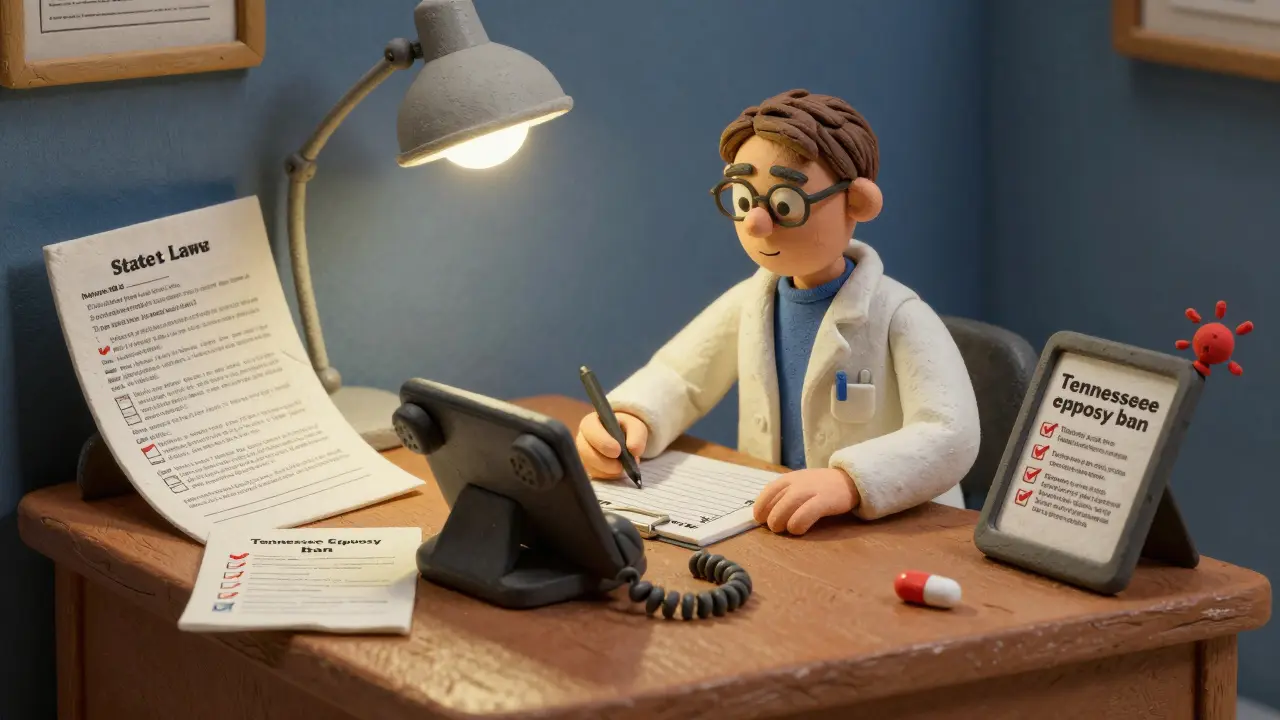
And then there are the exceptions. Tennessee bans substitution of antiepileptic drugs for patients with epilepsy-no exceptions. Hawaii requires both prescriber and patient consent for the same drugs. Florida doesn’t just say "don’t substitute" for certain drugs-it requires pharmacies to maintain a formal formulary that lists which generics are acceptable and which aren’t. And for a prescription to override substitution in Florida, the prescriber must write "MEDICALLY NECESSARY" in their own handwriting on the paper script. Electronic prescriptions need a special code or note. Miss that, and you’re out of compliance.
What Pharmacists Must Do Before Dispensing
Before handing over a generic, pharmacists have a checklist that’s not optional:
- Check the prescription for "dispense as written" or "do not substitute"-these phrases override any state law.
- Verify the Orange Book rating. Only A-rated drugs are eligible for substitution. If it’s B-rated, you can’t substitute-no matter what the state says.
- Know your state’s consent rules. Are you allowed to assume consent, or do you need to ask? Document your process.
- Identify narrow therapeutic index drugs. Even if the law allows substitution, your professional judgment should say no. Levothyroxine, digoxin, phenytoin, and warfarin are red flags.
- Confirm the prescriber’s intent. If the patient is new, or the drug is high-risk, call the prescriber. Don’t assume.
- Document everything. If you substituted, note the generic name, lot number, and patient consent. If you didn’t, write why. Documentation errors caused 68% of pharmacy board disciplinary actions in 2022.
Many pharmacists rely on their pharmacy management system to flag restricted drugs or auto-block substitutions. But systems aren’t perfect. A 2023 Reddit post from a hospital pharmacist described a near-miss in Tennessee: a patient with epilepsy got the wrong generic because the system didn’t catch the state-specific ban. Emergency intervention was needed. That’s not hypothetical-it’s happened.
Patient Communication Isn’t Optional
Patients don’t always understand why a generic is being given to them. Some think it’s "inferior." Others worry it won’t work. A 2023 analysis of 1,247 patient reviews found that 78% were satisfied with generic substitution-when they were properly informed. But 63% of negative reviews cited lack of notification as the main issue.
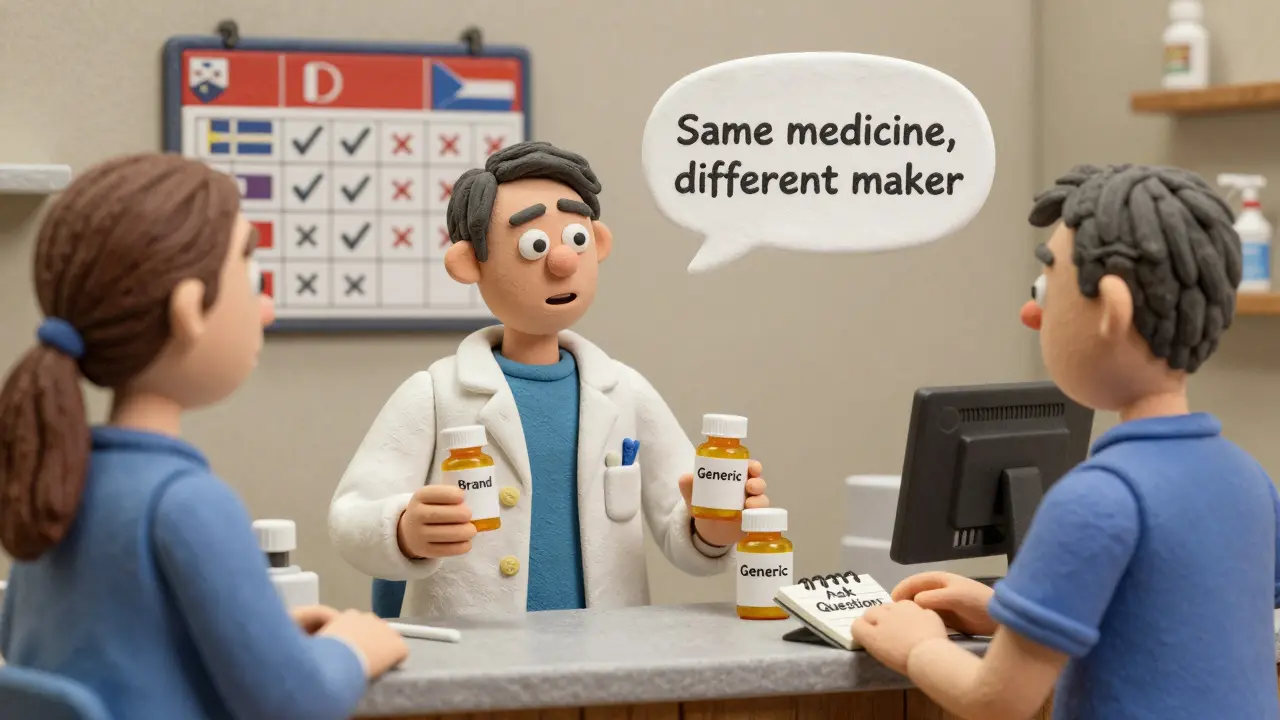
Don’t just say, "This is cheaper." Say: "This is the same medicine as your brand, just made by a different company. The FDA says it works the same way. But because you’re on this drug for seizures, we’re required by law to use the brand unless your doctor says otherwise."
Patients trust pharmacists. If you don’t explain the change, they’ll blame the drug-and maybe stop taking it. That’s worse than paying more.
What Happens When You Get It Wrong?
State boards of pharmacy don’t take substitution errors lightly. In 2022, over 1,200 disciplinary actions were filed across the U.S. for violations related to generic substitution. Most were for failure to document consent, substituting a restricted drug, or ignoring "dispense as written" instructions.
Penalties range from fines to mandatory retraining to license suspension. In extreme cases, pharmacists have lost their licenses after a patient suffered a seizure due to an illegal substitution of an antiepileptic drug.
And it’s not just legal risk. There’s reputational risk. One pharmacist in California told a reporter: "I had a patient come back three months later because her thyroid levels were off. She said, ‘You switched my levothyroxine without telling me.’ Even though the generic was FDA-approved, she didn’t trust it anymore. She switched doctors. I lost a patient because I didn’t follow protocol."
Staying Current Is Part of the Job
State laws change. In 2022 alone, 17 states updated their generic substitution rules. Some added new restrictions on biosimilars. Others tightened consent requirements. A pharmacist in Florida might need 60 hours of continuing education just to keep up with state and federal changes.
Best practices: subscribe to your state board of pharmacy’s updates. Join the National Association of Boards of Pharmacy’s alerts. Review your pharmacy’s formulary every quarter. Don’t rely on memory. Keep a printed copy of your state’s substitution law in the pharmacy.
The Bigger Picture: Cost vs. Safety
Generic drugs save the U.S. healthcare system an estimated $313 billion a year. That’s real money. But savings shouldn’t come at the cost of safety. Pharmacists aren’t just cashiers-they’re clinical gatekeepers. You’re the last line of defense between a patient and a harmful error.
The FDA says generics are equivalent. The American Medical Association says doctors should control substitution. The American Pharmacists Association says pharmacists should use professional judgment. All three are right. Your job is to balance them: follow the law, protect the patient, and honor your profession.
Can a pharmacist substitute a generic without telling the patient?
It depends on the state. In 18 states, pharmacists can substitute without asking-this is called presumed consent. But in 32 states, including California, Texas, and Florida, you must get the patient’s explicit permission before swapping the brand for a generic. Even in presumed consent states, best practice is to inform the patient. Failure to notify is the most common complaint in patient reviews.
Are all generic drugs safe to substitute?
No. Only A-rated generics from the FDA Orange Book are approved for substitution. But even among A-rated drugs, some should never be swapped-like levothyroxine, warfarin, digoxin, and antiepileptic drugs. These have a narrow therapeutic index, meaning tiny differences in absorption can cause serious harm. Many states have laws specifically banning substitution for these drugs, regardless of FDA rating.
What does "dispense as written" mean on a prescription?
"Dispense as written" (or "DAW") means the prescriber is requiring the brand-name drug to be filled exactly as prescribed-no substitutions allowed. This overrides any state law that permits substitution. If a prescription says "DAW 1" or "do not substitute," you must fill it with the brand. Ignoring this can result in disciplinary action.
Can I substitute a generic for a controlled substance?
Yes, but only if the generic is approved for substitution and the state allows it. Controlled substances like oxycodone or Adderall have generic versions, but substitution rules still apply. Some states require additional documentation or patient consent for controlled generics. Always check your state’s pharmacy board guidelines and verify the DEA’s requirements for controlled substance substitutions.
What should I do if I’m unsure whether a substitution is allowed?
When in doubt, don’t substitute. Call the prescriber. Check your state’s pharmacy board website. Review the FDA Orange Book. Consult your pharmacy’s legal compliance officer. It’s better to delay the fill and confirm than to risk a patient’s safety or your license. Many pharmacists keep a printed copy of their state’s substitution law in the dispensary for quick reference.


