
The Beers Criteria: Potentially Inappropriate Medications for Seniors
Jan, 17 2026
Every year, tens of thousands of older adults end up in the hospital because of a medication that was supposed to help them - but ended up hurting them instead. It’s not always because of mistakes. Sometimes, it’s because the right drug was prescribed for the wrong reason, or the dose was too high for an aging body. This is where the Beers Criteria comes in - a practical, evidence-based tool that tells doctors and pharmacists which medications to avoid or use with extreme caution in people 65 and older.
What Exactly Is the Beers Criteria?
The Beers Criteria isn’t just a list. It’s a living guide, updated every three years by the American Geriatrics Society (AGS), that identifies drugs with risks that often outweigh their benefits for seniors. The latest version, released in May 2023, reviewed over 7,300 studies and now includes 134 medications or medication classes flagged as potentially inappropriate. That’s 32 new additions since 2019, and 18 removed because new data showed they were safer than previously thought. It’s not about banning drugs. It’s about context. A medication that’s fine for a 40-year-old might be dangerous for an 80-year-old with kidney issues, dementia, or heart failure. The Beers Criteria helps cut through the noise by focusing on real-world outcomes: falls, confusion, bleeding, hospital stays.Five Key Areas the Beers Criteria Covers
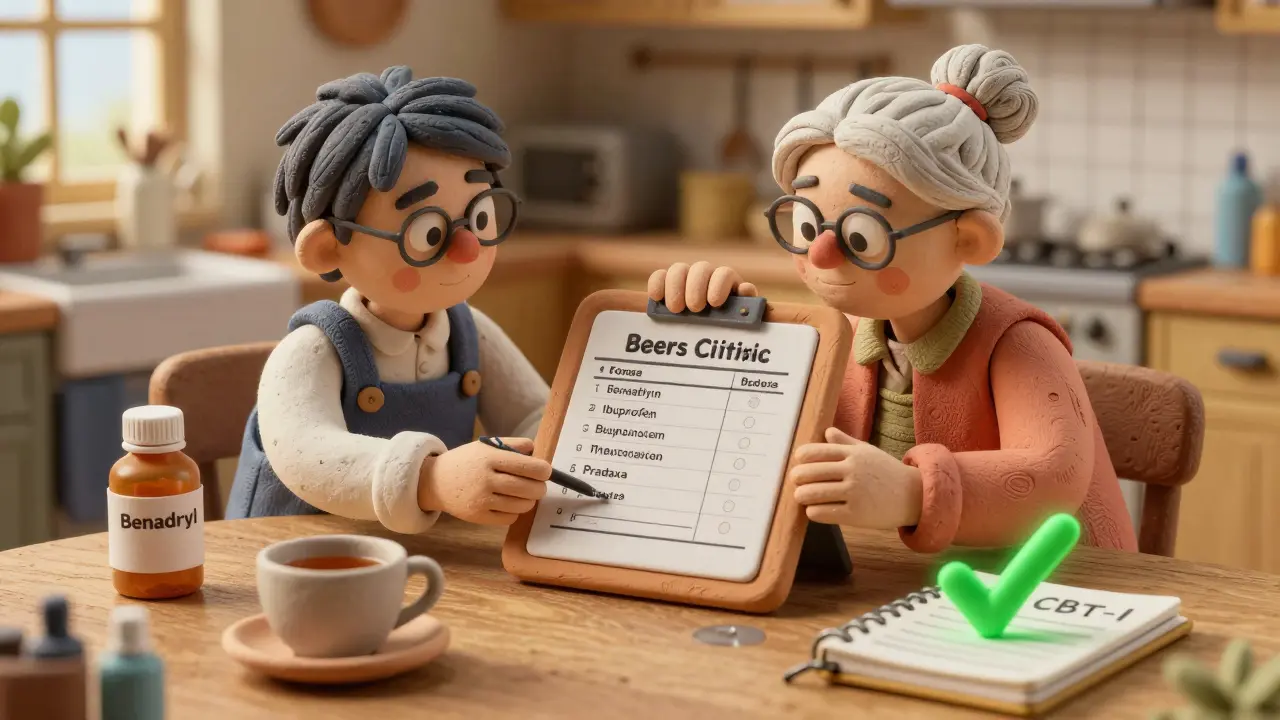
The 2023 update organizes its guidance into five clear sections. Each one helps clinicians make smarter choices.- Medications to avoid entirely - These are drugs with strong evidence of harm in older adults. First-generation antihistamines like diphenhydramine (Benadryl) and hydroxyzine fall here. They’re often used for sleep or allergies, but they block acetylcholine - a brain chemical critical for memory and focus. The result? Confusion, dry mouth, constipation, and even delirium. Studies show these drugs increase dementia risk over time.
- Medications to avoid with certain conditions - NSAIDs like ibuprofen and naproxen are common pain relievers, but they’re risky for seniors with heart failure, high blood pressure, or kidney disease. They can cause fluid retention, raise blood pressure, and worsen heart function. For someone with heart failure, even a short course of ibuprofen can land them back in the hospital.
- Medications to use with caution - Some drugs aren’t outright banned, but need careful handling. Dabigatran (Pradaxa), a blood thinner, is a good example. It’s easier to use than warfarin, but for seniors over 75 or those with low kidney function (CrCl under 30 mL/min), the risk of serious stomach bleeding is much higher. Dose adjustments or switching to warfarin might be safer.
- Dangerous drug combinations - The real danger often comes from mixing drugs. Combining an anticholinergic (like oxybutynin for overactive bladder) with an opioid (like oxycodone) can lead to severe constipation, urinary retention, and mental fogginess. These interactions are hard to spot without a full medication review.
- Medications needing kidney dose adjustments - As we age, kidneys slow down. Gabapentin, used for nerve pain, is cleared by the kidneys. If a senior has a CrCl under 60 mL/min, their dose needs to be cut in half - or else they risk dizziness, falls, and confusion. Many doctors still prescribe the standard dose, unaware of the need to adjust.
Why the Beers Criteria Matters More Than Ever
Seniors make up just 13.5% of the U.S. population, but they take 34% of all prescription drugs. About 23% of older adults living at home are on at least one medication flagged by the Beers Criteria. That’s over 10 million people. And it’s not just about side effects - these inappropriate prescriptions contribute to 15% of all hospital admissions among seniors. The good news? When used well, the Beers Criteria works. Clinics that integrated it into their electronic health records saw a 37% drop in inappropriate prescribing within six months. One geriatric practice reduced benzodiazepine prescriptions for insomnia in patients over 75 by 43% after adding Beers alerts. That’s not just numbers - it’s fewer falls, clearer thinking, and more independence for older adults.How It Compares to Other Tools
In Europe, many doctors use the STOPP/START criteria instead. STOPP/START looks at both inappropriate medications and missed opportunities - like when a senior needs a bone density drug but isn’t getting one. The Beers Criteria is narrower - it focuses on what to avoid, not what to add. But it’s more widely used in the U.S., especially because Medicare Part D now requires its use in medication reviews for people taking eight or more drugs. The trade-off? Beers can sometimes flag a drug that’s actually appropriate. For example, antipsychotics are listed as potentially inappropriate for dementia-related agitation. But for a patient with severe aggression or hallucinations that put them or others at risk, they might still be necessary. That’s why the criteria isn’t a rulebook - it’s a conversation starter.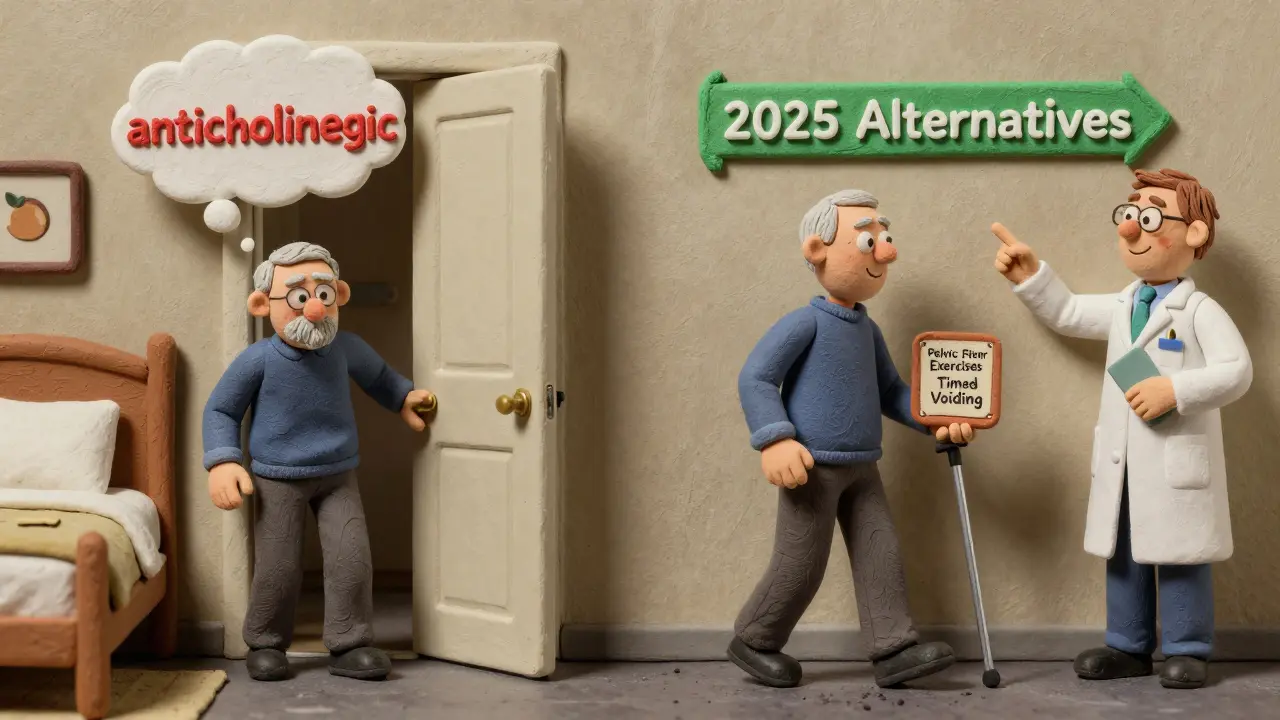
Real-World Challenges
Even with strong evidence, implementation is messy. One survey found that 32% of primary care doctors are overwhelmed by Beers alerts - sometimes getting 12 per patient visit. That’s alert fatigue. When every warning blares the same way, the important ones get ignored. Pharmacists, on the other hand, love it. Eighty-nine percent say it improves their ability to catch dangerous prescriptions during medication reviews. And patient advocacy groups point out a big gap: 61% of seniors have no idea their meds are being reviewed against the Beers Criteria. They’re not being told why a drug was changed or why a new one was recommended. Another issue? Cost. The Beers Criteria doesn’t address affordability. For many seniors, a safer drug might cost $150 a month - while the flagged one costs $10. If they can’t afford the alternative, they may skip doses or take the riskier one anyway. That’s a systemic problem the criteria doesn’t solve.What’s New in 2025: The Alternatives List
The biggest upgrade since 2023 isn’t a new list of bad drugs - it’s a list of good alternatives. Released in July 2025, this companion guide gives clinicians 147 evidence-based options to replace Beers-listed medications. For insomnia? Instead of benzodiazepines or zolpidem, try cognitive behavioral therapy for insomnia (CBT-I). It’s more effective long-term and has zero side effects. For overactive bladder? Pelvic floor exercises and timed voiding can be just as effective as oxybutynin - without the brain fog. For pain? Acetaminophen (in safe doses) or topical NSAIDs like diclofenac gel are better than oral NSAIDs. For anxiety? Mindfulness, exercise, and social engagement often outperform lorazepam. This shift - from just saying “don’t use this” to saying “here’s what to use instead” - is changing how care is delivered.How It’s Used in Practice
The most successful clinics don’t just rely on EHR alerts. They assign pharmacist-led teams to review all medications for patients over 65, especially those on five or more drugs. These teams check kidney function, drug interactions, and whether each medication still has a clear purpose. It takes time. Most providers need 4 to 6 weeks to get comfortable using the criteria. But the American Geriatrics Society offers a free 2.5-hour online course - and over 14,000 clinicians have taken it since 2023. There’s also a free mobile app and pocket guide with quarterly updates. Users report saving 8.2 minutes per patient visit because they don’t have to look up drug lists manually.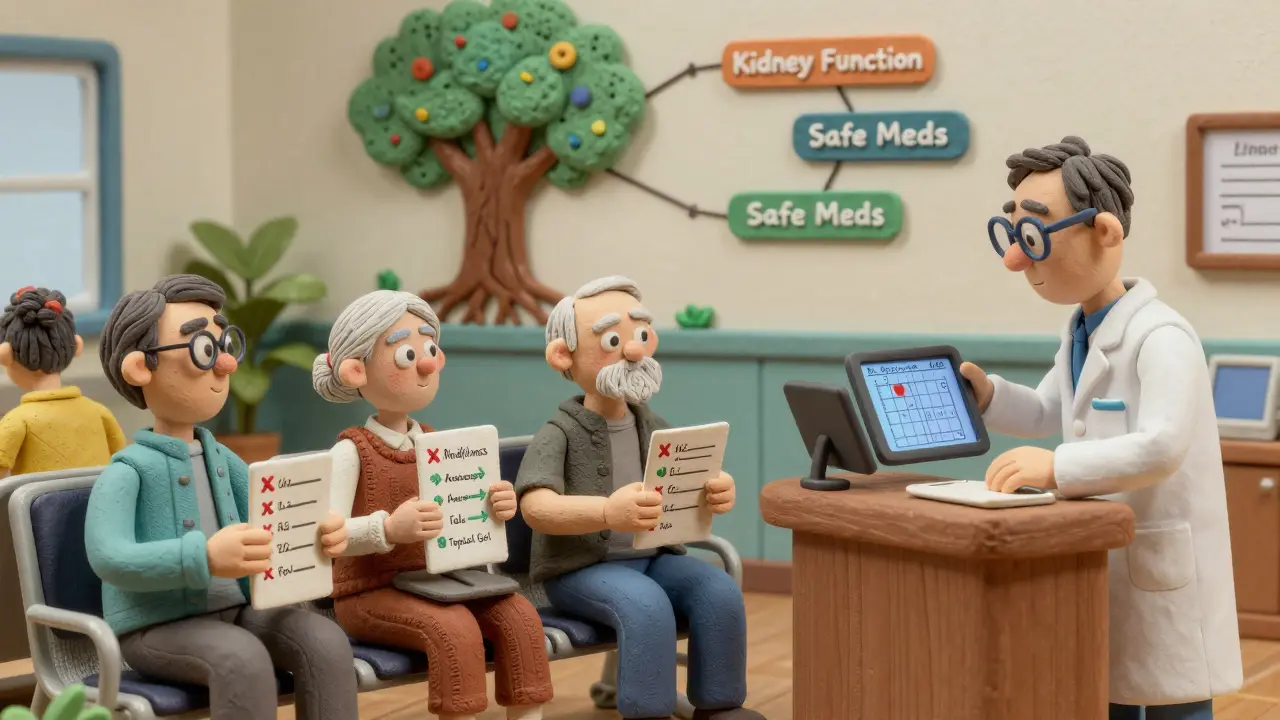
What’s Next?
The 2026 update will expand renal dosing guidance to cover every single medication cleared by the kidneys - not just 68%, as it does now. That’s a big deal, because kidney function drops steadily with age. The AGS is also partnering with Google Health AI to build tools that predict which seniors are most at risk from Beers-listed drugs - based on their medical history, lab results, and prescriptions. Imagine an alert that says: “This 82-year-old with mild kidney impairment and history of falls is on diphenhydramine. Risk of fall increases by 68%.” That’s the future.What Seniors Can Do
You don’t need to be a doctor to use the Beers Criteria. If you or a loved one are on multiple medications, ask:- Is this drug still necessary?
- Could it be causing my dizziness, confusion, or constipation?
- Is there a safer alternative?
- Has my kidney function been checked recently?
Final Thoughts
The Beers Criteria isn’t perfect. It doesn’t solve cost, access, or social isolation. But it’s the most powerful tool we have to prevent medication harm in older adults. It turns guesswork into guidance. It turns routine prescribing into thoughtful care. More than 10 million seniors are on drugs that could be harming them. The Beers Criteria doesn’t just list those drugs - it gives us a path to change. And that’s why, in a world full of medical noise, it remains essential.What is the Beers Criteria used for?
The Beers Criteria is a clinical guideline that helps doctors and pharmacists identify medications that may be unsafe or unnecessary for adults aged 65 and older. It’s used to reduce harmful side effects, prevent hospitalizations, and improve medication safety in older adults by flagging drugs with risks that outweigh their benefits.
Which medications are most commonly flagged by the Beers Criteria?
First-generation antihistamines like diphenhydramine (Benadryl) and hydroxyzine are among the most commonly flagged due to their strong anticholinergic effects, which can cause confusion, dry mouth, constipation, and worsen dementia. Other common flags include NSAIDs for people with heart failure, benzodiazepines for insomnia in seniors over 75, and antipsychotics used for dementia-related behavior without a clear indication.
Is the Beers Criteria only used in the United States?
While developed and most widely used in the U.S., the Beers Criteria has been translated into 17 languages and adopted by healthcare systems in 28 countries. However, European countries often rely more on the STOPP/START criteria. The Beers Criteria is especially integrated into U.S. Medicare Part D programs and electronic health records.
Can a medication on the Beers list still be prescribed?
Yes. The Beers Criteria is not a ban - it’s a warning. Some medications on the list may still be necessary for specific patients, such as antipsychotics for severe agitation in dementia or NSAIDs for short-term pain control in someone without heart or kidney issues. The key is intentional use, with clear reasons and ongoing monitoring.
How often is the Beers Criteria updated?
The American Geriatrics Society updates the Beers Criteria every three years. The most recent version was published in May 2023, and the next update is expected in 2026. Updates are based on new clinical studies and evidence, with each revision adding new medications to avoid and removing others based on improved safety data.
Are there alternatives to medications on the Beers list?
Yes. The July 2025 release of the "Alternative Treatments to Selected Medications in the 2023 Beers Criteria" provides 147 evidence-based alternatives. For insomnia, cognitive behavioral therapy (CBT-I) replaces benzodiazepines. For overactive bladder, pelvic floor exercises and timed voiding can replace anticholinergics. For pain, topical NSAIDs or acetaminophen are often safer than oral NSAIDs.
How can seniors check if their meds are on the Beers list?
Seniors can ask their pharmacist or doctor directly if any of their medications are flagged in the Beers Criteria. The American Geriatrics Society offers a free mobile app and pocket guide with the full list. You can also search the official 2023 Beers Criteria publication online - though it’s best to discuss results with a healthcare provider who understands your full health picture.


