
Dental Anesthesia and Blood Thinners: How to Minimize Bleeding Risks

Apr, 12 2026
Dental Procedure Bleeding Risk Evaluator
Disclaimer: This tool is for educational purposes only. Always consult your dentist and primary physician before making any changes to your medication.
1. Select Procedure Type
2. Your Medication Type
Risk Assessment
- Once daily: 12-24 hours after last dose.
- Twice daily: 24-48 hours after last dose.
- Avoid procedures < 4 hours after dosing.
Maintain medication; use local hemostatic measures.
Imagine sitting in a dentist's chair, ready for a routine extraction, only to be told you need to stop taking your life-saving heart medication for a week. For many, this is a stressful reality. The fear of a procedure that won't stop bleeding often clashes with the risk of a stroke or blood clot if blood thinners are paused. The good news? Modern dental medicine has shifted. We now know that for most people, the danger of stopping these medications far outweighs the risk of a little extra bleeding during a filling or a single tooth pull.
The Balancing Act: Bleeding vs. Clotting
When you're on Anticoagulants (medications that slow down blood clotting), the goal isn't just to stop the bleeding in your mouth; it's to keep your heart and brain safe. Medical data shows that stopping these drugs for dental work can increase the risk of a stroke by 3.5 times in patients with atrial fibrillation. That is a massive risk compared to the manageable challenge of a bleeding gum.
The general rule today is simple: for low-risk procedures, keep taking your meds. Your dentist will use local tools to control the bleeding rather than asking you to risk a cardiovascular event. It's about managing the site of the surgery, not changing your systemic health profile.
Knowing Your Risk Level
Not every dental visit carries the same risk. Dentists categorize procedures into three levels to decide if your medication needs adjustment. If you're taking Warfarin, your doctor will look at your International Normalized Ratio (INR)-a measurement of how long it takes your blood to clot.
| Risk Level | Examples | Target INR Value | Typical Bleeding Rate |
|---|---|---|---|
| Low | Fillings, simple scaling, single tooth extraction | ≤ 3.5 | 0.7% - 2.3% |
| Moderate | Multiple extractions, gum surgery | ≤ 2.5 | 4.1% - 5.8% |
| High | Full-mouth extractions, multiple implants | ≤ 2.0 | 12.7% |
Managing Modern Blood Thinners (DOACs)
Many patients now use DOACs (Direct Oral Anticoagulants) like Rivaroxaban (Xarelto), Apixaban (Eliquis), or Dabigatran (Pradaxa). These are often easier to manage because they don't require the constant blood tests that Warfarin does.
However, timing is everything. Because these drugs leave the system faster, dentists often schedule procedures based on your last dose. For once-daily meds, the sweet spot is usually 12 to 24 hours after your last pill. For twice-daily doses, it's often 24 to 48 hours. A critical "4-hour rule" exists for some DOACs; performing an extraction less than 4 hours after a dose can spike major bleeding rates from 1.2% up to 8.7%.

How Dentists Stop the Bleeding
If you're staying on your meds, your dentist won't just hope for the best. They have a toolkit of local hemostatic measures to seal the wound quickly. You might notice them using special materials that act like a "super-plug" for your blood vessels.
- Oxidized Regenerated Cellulose (Surgicel®): A sponge-like material placed in the socket that can cut bleeding time nearly in half.
- Tranexamic Acid: Often used as a 5% mouthwash, this helps stabilize clots and can reduce bleeding risk by over 60%.
- Microfibrillar Collagen (Avitene®): A highly effective tool that achieves full clotting in over 90% of anticoagulated patients.
- Epinephrine: Using 0.5% lidocaine with epinephrine can reduce bleeding by about 32% compared to plain numbing agents.
The Dangers of "Bridging" and Mismanagement
In the past, some doctors suggested "bridging"-switching a patient from a long-term thinner to a short-term one like heparin. Current medical consensus is clear: bridging is almost never necessary for dental work. In fact, it can actually triple your risk of major bleeding without providing any real protection against clots.
Another common mistake is the unnecessary pause of Aspirin. For most, a single antiplatelet drug should not be stopped. While dual therapy (Aspirin plus Clopidogrel) increases bleeding risk more than a single drug, it's still generally safer to keep the medication running than to risk a cardiac event.
Post-Procedure Recovery and Pain Relief
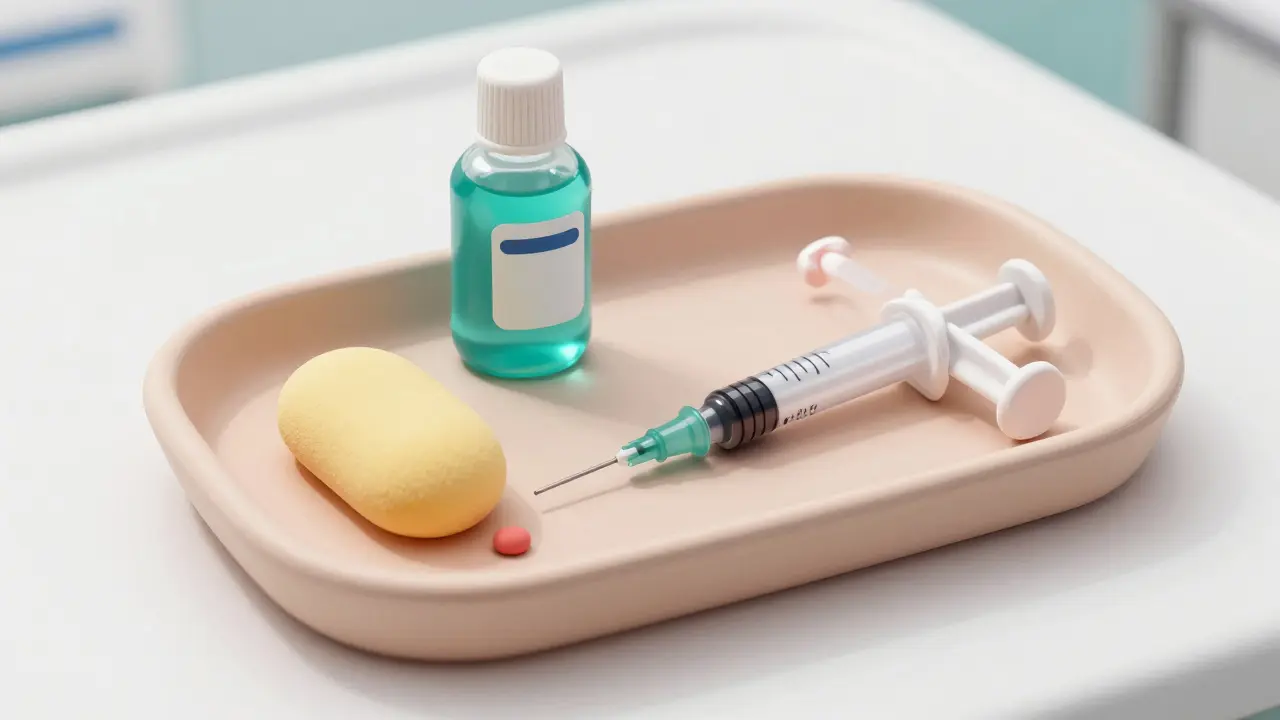
What you do after you leave the chair is just as important as the procedure itself. Not all painkillers are created equal when you're on blood thinners. For example, NSAIDs (like Ibuprofen or Naproxen) can increase your bleeding risk 3 to 6 times over when combined with anticoagulants. Your safest bet is usually acetaminophen, though you should monitor your INR if you use high doses for more than a week.
If your dentist prescribes antibiotics, be cautious with metronidazole. It can interact with Warfarin, often requiring a dose reduction of 33% to 50% to prevent your blood from becoming too thin. Azithromycin, on the other hand, usually doesn't interfere with your levels at all.
Should I stop taking my blood thinners before a dental cleaning?
Generally, no. For low-risk procedures like cleaning, fillings, or simple probing, the American Dental Association recommends continuing your medication. The risk of a blood clot or stroke is much higher than the risk of bleeding during a cleaning.
What is a "safe" INR level for a tooth extraction?
For a single tooth extraction, an INR of 3.5 or less is typically considered safe without needing to adjust medication. For more complex surgeries, like multiple extractions or implants, dentists prefer an INR of 2.5 or even 2.0 to minimize complications.
How do DOACs like Eliquis differ from Warfarin in dental care?
DOACs don't require the constant INR monitoring that Warfarin does. Instead, the focus is on the timing of the last dose. Most dentists suggest scheduling the procedure 12-48 hours after your last dose, depending on whether you take the medication once or twice a day.
Can I take Advil or Motrin after my dental surgery?
You should avoid NSAIDs like Advil or Motrin if you are on anticoagulants, as they can significantly increase the risk of bleeding. Acetaminophen (Tylenol) is usually the recommended alternative, but always check with your dentist first.
What happens if the bleeding doesn't stop after the appointment?
Most bleeding is controlled with gauze and local agents. However, if bleeding persists, your dentist may prescribe a Tranexamic Acid mouthwash. In extremely rare, life-threatening cases, hospitals use reversal agents like Andexanet alfa to stop the effect of DOACs.
Next Steps for Patients
If you have an upcoming appointment, don't guess-be specific. Provide your dentist with a full list of medications, the exact dosage, and the time you took your last pill. If you're on Warfarin, bring a copy of your most recent INR test results (ideally from within the last 72 hours). For those with mechanical heart valves, ensure your specialist is in the loop, as your target INR levels may be higher (3.0-4.0) to prevent valve thrombosis.