
Fertility Preservation Options Before Chemotherapy: What You Need to Know
Feb, 18 2026
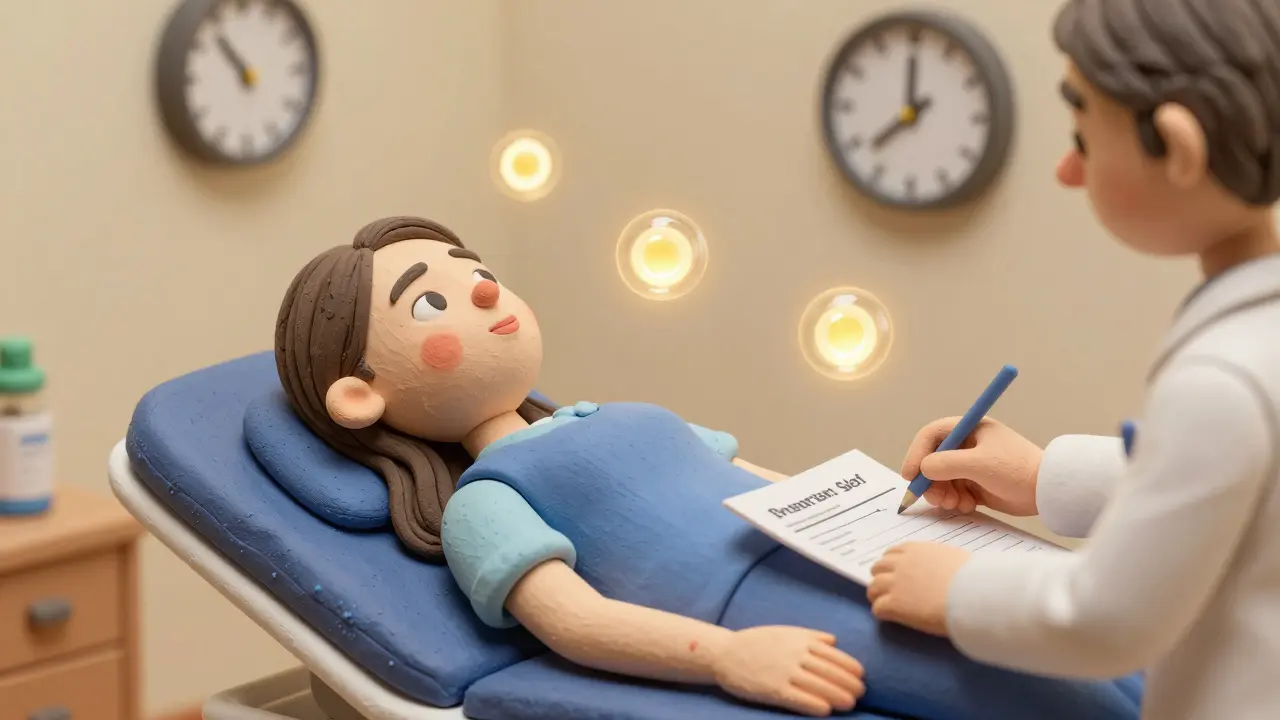
When you're facing chemotherapy, the fight against cancer is already overwhelming. But there’s another layer many don’t think about until it’s too late: fertility preservation. Chemotherapy doesn’t just attack cancer cells-it can also damage your reproductive system. For women, this might mean early menopause. For men, it could mean permanent infertility. The good news? There are proven, medically supported ways to protect your future ability to have children. And the window to act is narrow-sometimes just days.
Why Chemotherapy Threatens Fertility
Not all chemo drugs are equal when it comes to fertility. Alkylating agents like cyclophosphamide and ifosfamide are especially harsh on ovaries and testes. According to the American Society of Clinical Oncology, 80% of common chemotherapy regimens carry a high risk of damaging reproductive cells. For women under 35, this can lead to premature ovarian insufficiency in 30% to 80% of cases. For men, sperm counts can drop to zero after just one cycle. The damage isn’t always immediate. Some people don’t realize they’ve lost fertility until years later, when they try to conceive.Options for Women: Egg Freezing, Embryos, and Tissue
For women, the most common option is oocyte cryopreservation-freezing unfertilized eggs. This process takes 10 to 14 days. You’ll get daily hormone injections to stimulate your ovaries, then an outpatient procedure to retrieve the eggs under ultrasound guidance. The eggs are then flash-frozen using a technique called vitrification, which has a 90-95% survival rate. Each frozen egg has about a 4-6% chance of leading to a live birth. Most women need to freeze 15-20 eggs to have a reasonable shot at one baby. If you have a partner or plan to use donor sperm, embryo cryopreservation is the most effective option. Eggs are fertilized in the lab before freezing. The success rate jumps to 50-60% per transfer for women under 35. But this option isn’t viable if you’re single, not ready to choose a donor, or facing urgent treatment. For younger girls or women who can’t delay chemo, ovarian tissue cryopreservation is the only option. Surgeons remove small strips of ovarian cortex (about 50-100 mg) through a minimally invasive laparoscopic procedure. The tissue is frozen and stored. Later, when you’re ready to have children, it can be thawed and re-implanted. This method has led to over 200 live births worldwide since 2004. It’s especially critical for prepubertal girls, since they can’t undergo hormone stimulation. The FDA currently allows this under enforcement discretion, meaning it’s not fully approved but widely accepted in clinical practice.Options for Men: Sperm Banking
For men, the process is simpler and faster. Sperm banking requires just 2-3 days of abstinence, followed by collection-usually through masturbation. Multiple samples are collected over a few days if possible. Each sample is mixed with a cryoprotectant (typically 7% glycerol), then slowly frozen. Post-thaw, about 40-60% of sperm remain motile. One sample can yield enough sperm for multiple IVF cycles. The success rate for achieving pregnancy with frozen sperm is high, especially when combined with IVF or ICSI. There’s no need to delay treatment. Many men complete banking in under 72 hours.
What About Hormone Shots? GnRHa and Ovarian Suppression
Some doctors offer gonadotropin-releasing hormone agonists (GnRHa), like goserelin (Zoladex). These are monthly injections that temporarily shut down ovarian function, mimicking menopause. The idea is that by putting ovaries to sleep, they’re less vulnerable to chemo damage. Studies show this reduces the risk of premature ovarian failure by 15-20%. But it’s not a guarantee. A 2015 trial found that 60% of women still went into early menopause despite using GnRHa. It’s also off-label for fertility preservation, and side effects-hot flashes, night sweats, vaginal dryness-are often severe. Some women quit treatment because of them. Still, it’s sometimes used alongside egg freezing, especially when time is tight.Radiation Shielding: A Critical Tool for Pelvic Cancer
If you’re getting radiation to the pelvis, there’s a simple, non-invasive way to protect fertility: radiation shielding. Custom lead shields are placed over the testes (for men) or ovaries (for women) during treatment. These can reduce radiation exposure by 50-90%. It’s not a substitute for other methods if chemotherapy is also involved, but it’s a vital layer of protection when radiation is part of the plan. This technique has been standard for decades but is still underused.Timing Is Everything
The biggest barrier to fertility preservation isn’t cost or access-it’s time. Many patients are too overwhelmed to ask about it. Others are told, "We’ll talk about it later." That’s too late. According to ASCO data, only 37% of eligible patients complete any form of preservation. Why? Because chemo starts fast. In acute leukemia, you might have just 48 to 72 hours before induction begins. Even for breast cancer, waiting more than 21 days can mean missing the window entirely. The rule? Get referred to a reproductive specialist within 14 days of diagnosis. For men, sperm banking can be done in a single day. For women, "random-start" protocols now allow ovarian stimulation to begin at any point in the menstrual cycle-not just day 2. This cuts the average delay from 14 days to just 11.3. If you’re unsure where to start, ask your oncologist for a referral. Most major cancer centers now have oncofertility teams.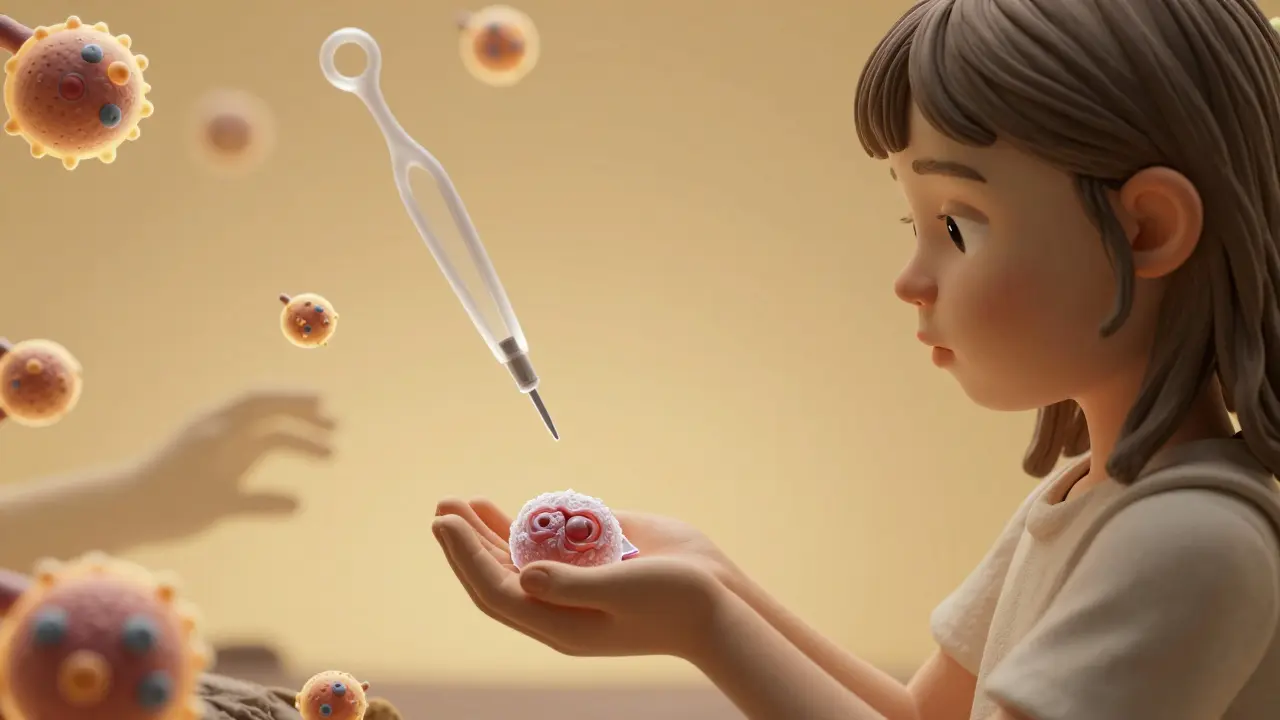
Emotional and Financial Realities
This isn’t just a medical decision-it’s emotional. A 2022 study of 127 cancer patients found that 68% of women regretted not pursuing preservation when treatment was delayed. On Reddit threads, common themes include insurance denials, fear of cost, and guilt over "adding" fertility concerns to a cancer diagnosis. Costs vary. Egg freezing can run $10,000-$15,000 per cycle, not including storage. Sperm banking is under $1,000. Insurance coverage is patchy. In 24 U.S. states, laws require insurers to cover fertility preservation for cancer patients. But in Australia, coverage is inconsistent and often depends on private insurance. Medicaid covers it in only 12 states. Rural patients travel an average of 178 miles to reach a fertility center-over eight times farther than urban patients.What’s New and What’s Coming
The field is evolving fast. In 2023, the FDA approved the first closed-system vitrification device, reducing contamination risk by 92%. Researchers are testing in vitro activation of frozen ovarian tissue-potentially allowing eggs to mature in the lab without re-implanting tissue. There’s also an NIH-funded trial underway testing "artificial ovaries" made from synthetic scaffolds and preserved follicles. Early results in primates show 68% follicle survival. These aren’t ready for humans yet, but they point to a future where fertility preservation doesn’t require surgery or hormone shots.What to Do Next
If you or someone you love is facing chemotherapy:- Ask your oncologist for a referral to a reproductive specialist within 14 days of diagnosis.
- For men: Schedule sperm banking immediately. No delay needed.
- For women: Discuss egg freezing, embryo freezing, or ovarian tissue cryopreservation. Don’t assume you’re too young or too old.
- Ask if radiation shielding is an option if pelvic radiation is planned.
- Check your insurance. Know what’s covered. Ask about financial assistance programs.
- If you’re under 18, ask about ovarian tissue cryopreservation-it’s the only option for prepubertal patients.
Fertility isn’t just about having kids someday. It’s about having control over your body after cancer. The science is here. The tools exist. What’s missing is awareness-and action.