
Vaping and Lung Health: What the Evidence Shows About E-Cigarette Risks
Jan, 29 2026
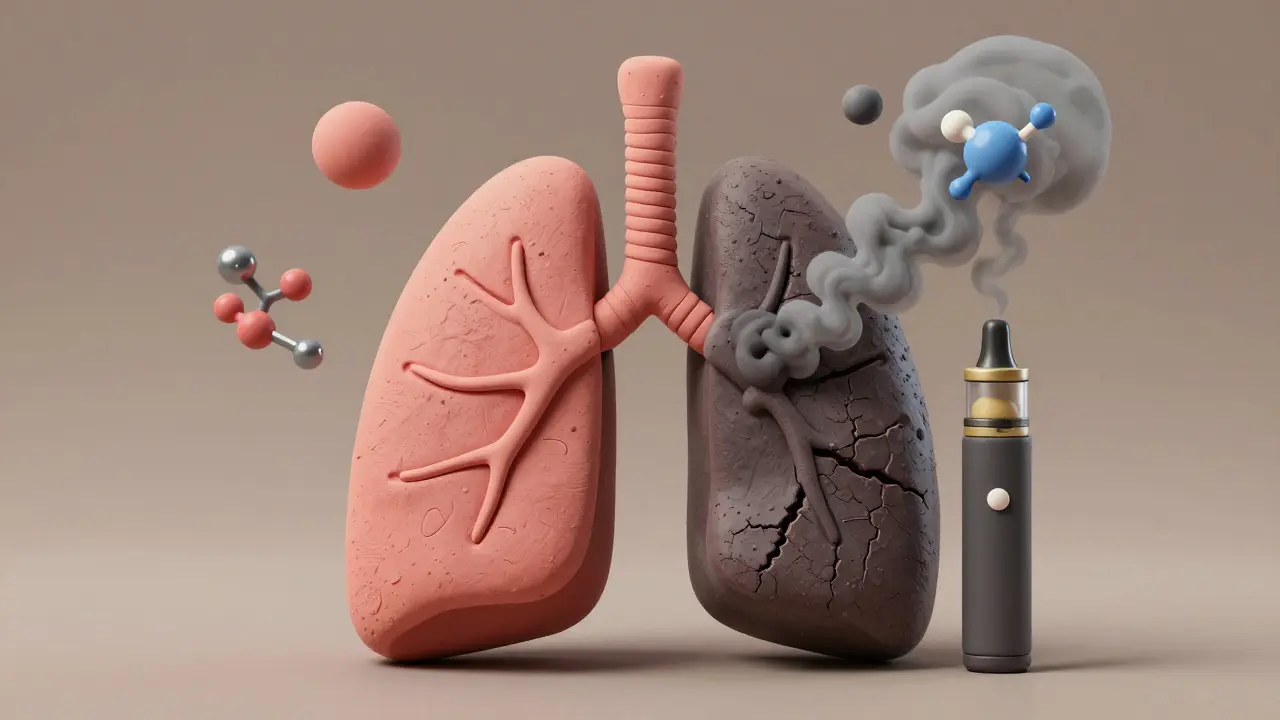
When you see someone puffing on a sleek, colorful vape pen, it’s easy to assume it’s just harmless vapor. After all, it doesn’t smell like smoke, and ads have told us it’s a safer alternative to cigarettes. But the truth is more complicated-and far more concerning for your lungs. As of 2025, the science is clear: vaping isn’t harmless. It’s not the same as smoking, but it’s not safe either. And your lungs are paying the price, even if you don’t feel it yet.
What’s Really in Vape Aerosol?
What comes out of a vape isn’t just water vapor. It’s a fine mist of chemicals heated to high temperatures and inhaled deep into your lungs. The base liquids are usually propylene glycol and vegetable glycerin-both considered safe to eat, but not to breathe. A University of North Carolina study found these substances are toxic to lung cells, and the more additives in the e-liquid, the worse it gets.
Then there are the flavorings. Sweet candy, mango, mint, or cookie flavors? Many contain diacetyl, a chemical once linked to a serious lung disease called bronchiolitis obliterans-nicknamed "popcorn lung" because it was first seen in factory workers inhaling artificial butter flavoring. While diacetyl has been banned in e-liquids in Australia, the UK, and the EU, it’s still found in some unregulated products sold online or through informal markets.
And it doesn’t stop there. Vape aerosols contain heavy metals like nickel, lead, and tin-leached from the device’s heating coils. They also carry volatile organic compounds, including benzene, a known carcinogen found in car exhaust. The American Lung Association lists acetaldehyde, acrolein, and formaldehyde as common toxins in vape vapor. These aren’t just irritants-they’re lung-damaging agents that can trigger inflammation, scarring, and long-term cell changes.
How Vaping Harms Your Lungs
Your lungs are designed to handle air-not chemical cocktails. When you vape, the aerosol coats the lining of your airways, irritating them and triggering inflammation. This isn’t a one-time reaction. With regular use, that inflammation becomes chronic. That’s when symptoms start: a persistent cough, wheezing, chest tightness, or shortness of breath during light activity like climbing stairs.
One of the most alarming findings comes from the American Thoracic Society: vaping suppresses your lung’s immune defenses. The tiny hair-like structures called cilia, which normally sweep out germs and debris, become sluggish. Your lung’s white blood cells, which fight infections, don’t respond as quickly. That means you’re more likely to get pneumonia, bronchitis, or even worse, a severe case of the flu. Studies show vapers are more prone to respiratory infections than non-users-even if they’ve never smoked.
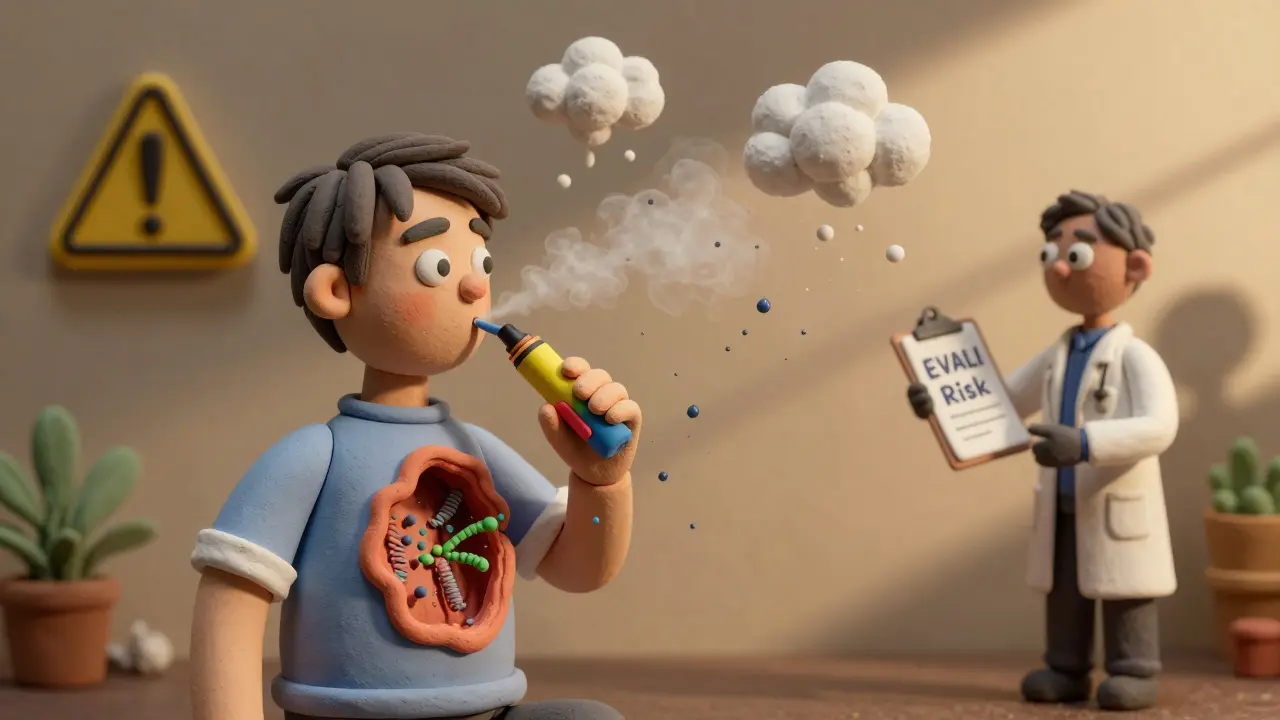
Then there’s EVALI. In 2019, over 2,800 people in the U.S. were hospitalized with severe lung injury linked to vaping. Forty-seven died. The culprit? Vitamin E acetate, an additive used to thicken THC oil in black-market vape cartridges. While most EVALI cases involved THC, the outbreak exposed how quickly unregulated substances can cause catastrophic damage. Even if you only use nicotine vapes, you’re still exposed to harmful chemicals that can slowly degrade lung tissue over time.
Vaping and Chronic Lung Disease
Chronic Obstructive Pulmonary Disease (COPD) used to be a disease of older smokers. Now, it’s showing up in younger vapers. A major analysis published by the NIH found that current e-cigarette users had a 48% higher risk of developing COPD compared to people who never vaped. That’s not a small increase. It’s the same level of risk seen in people who smoke fewer than five cigarettes a day.
And it’s not just COPD. The Tobacco Induced Diseases systematic review found consistent evidence linking vaping to asthma, increased airway resistance, and reduced lung function. Even people with no prior lung problems showed signs of damage after just a few months of regular vaping. The National Academies of Sciences, Engineering, and Medicine reviewed over 800 studies and concluded in 2018 that vaping causes health risks-specifically to the respiratory system.
What’s scary is that these effects build slowly. You might not notice anything for months-or even years. By the time you feel short of breath, the damage may already be done. Unlike smoking, where tar builds up visibly, vaping damage is invisible until it’s advanced. That’s why experts warn: if you vape, you’re not just risking your future health-you’re already harming it.
Is Vaping Better Than Smoking?
Yes, if you’re a current smoker who can’t quit, vaping is less harmful than continuing to smoke tobacco. Traditional cigarettes burn over 7,000 chemicals, including dozens of known carcinogens. Vaping doesn’t produce tar or carbon monoxide-the two biggest killers in cigarette smoke. That’s why some health agencies say switching completely from smoking to vaping reduces overall harm.
But here’s the catch: "Less harmful" doesn’t mean "safe." And for people who’ve never smoked, there’s no benefit at all. Vaping introduces new risks without eliminating old ones. The CDC says breathing in vape aerosol can worsen asthma and bronchitis. The American Lung Association says it can cause irreversible lung damage. And the National Academies warn that youth who vape are more likely to develop coughing, wheezing, and asthma flare-ups.
Also, vaping doesn’t always lead to quitting smoking. Many people end up using both-doubling their exposure to toxins. And for young people, vaping is often the first step into nicotine addiction. Dr. NeSmith, a respiratory specialist, puts it plainly: "No matter how you inhale nicotine-through smoke or vapor-you’re putting your lungs under stress."
What Should You Do If You Vape?
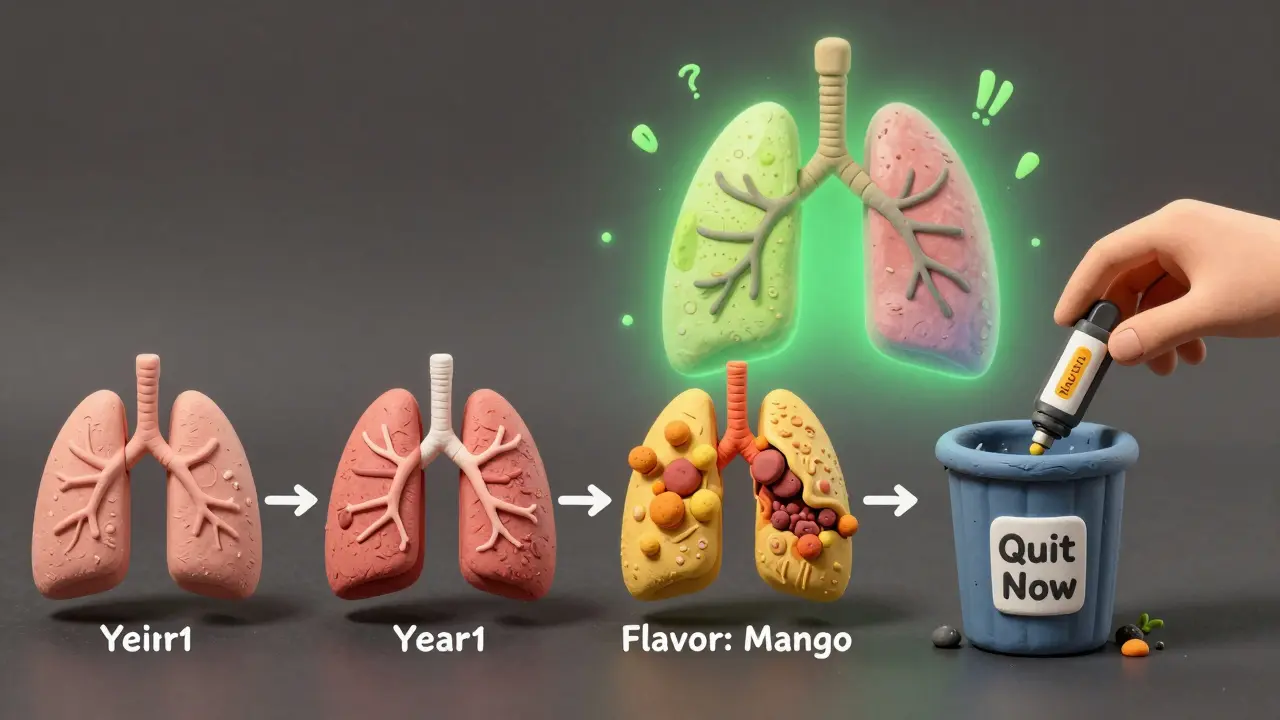
If you’re a current vaper, the best thing you can do for your lungs is to stop. Quitting vaping can lead to noticeable improvements in breathing, coughing, and energy levels within weeks. Inflammation starts to calm down. Immune function begins to recover. The longer you go without vaping, the more your lungs heal.
But quitting isn’t easy. Nicotine is highly addictive, and vape devices are designed to deliver it quickly and smoothly. If you’re trying to quit, don’t go it alone. Talk to your doctor. Ask about nicotine replacement therapy, counseling, or apps designed to help you quit. Some people find switching to nicotine patches or gum helps. Others need behavioral support.
If you’ve been vaping for more than a few months and have any respiratory symptoms-chronic cough, shortness of breath, chest pain, or frequent bronchitis-see a pulmonary specialist. Don’t wait for a crisis. Early detection can prevent long-term damage.
And if you’ve never vaped? Don’t start. There’s no safe level of vaping for non-smokers. The risks outweigh any perceived benefits. Flavors, social pressure, and marketing make it seem harmless-but the science says otherwise.
What’s Being Done About It?
Regulators are catching up. Australia, the UK, Canada, and the EU have banned many flavorings and restricted sales to minors. The U.S. FDA has cracked down on unauthorized vape products, especially those targeting teens. But enforcement is inconsistent. Black-market THC vapes with vitamin E acetate still circulate. Unregulated brands sell high-nicotine pods with no safety testing.
Public health campaigns are now focused on correcting the myth that vaping is safe. Hospitals are training staff to recognize vaping-related lung injury. Researchers are tracking long-term outcomes in young vapers. The goal isn’t to scare people-it’s to give them the truth. Vaping isn’t a miracle solution. It’s a gamble with your lungs.
And as of 2025, the evidence is mounting: vaping causes lung damage. It weakens your defenses. It increases your risk of serious disease. It’s not just a trend. It’s a public health issue-and your lungs are on the front lines.
Can vaping cause permanent lung damage?
Yes. Studies show that vaping can cause chronic inflammation, scarring of lung tissue, and reduced lung function. While some damage may improve after quitting, especially in the first few months, long-term or heavy use can lead to irreversible changes. Conditions like bronchiolitis obliterans and COPD are permanent once developed.
Is it safe to vape occasionally?
There’s no proven safe level of vaping. Even infrequent use exposes your lungs to toxic chemicals like formaldehyde, acrolein, and heavy metals. Each puff triggers inflammation and stress on lung cells. Occasional use may lower risk compared to daily use, but it doesn’t eliminate it. For non-smokers, any use is unnecessary risk.
Does vaping cause asthma?
Vaping doesn’t directly cause asthma, but it significantly increases the risk of developing symptoms and worsening existing asthma. Studies show vapers are more likely to experience wheezing, coughing, and asthma attacks. The chemicals in vape aerosol irritate the airways and make them more sensitive to triggers like pollen or cold air.
Can vaping lead to lung cancer?
Direct evidence linking vaping to lung cancer is still emerging, but the risk is plausible. Vape aerosols contain known carcinogens like formaldehyde and benzene. Chronic inflammation from vaping can damage DNA and promote abnormal cell growth over time. While cancer may take decades to develop, the biological pathways are already present in regular vapers.
How long does it take for lungs to recover after quitting vaping?
Improvements can begin within weeks. Lung inflammation decreases, coughing lessens, and breathing becomes easier. Within 1 to 3 months, lung function often improves significantly. After 6 to 12 months, many users report feeling more energetic and less short of breath. But full recovery depends on how long and how heavily you vaped. Some damage, especially if it led to scarring, may be permanent.
Should I use vaping to quit smoking?
If you’re a current smoker and have tried other methods without success, vaping may help you quit cigarettes. But it’s not the best option. FDA-approved nicotine patches, gum, or prescription medications have proven effectiveness and fewer respiratory risks. If you do switch to vaping, aim to quit nicotine entirely within 6 to 12 months. Staying on vaping long-term still harms your lungs.


