
Therapeutic Drug Monitoring: Protecting Patients on Generic Antiretroviral Drugs
Mar, 15 2026
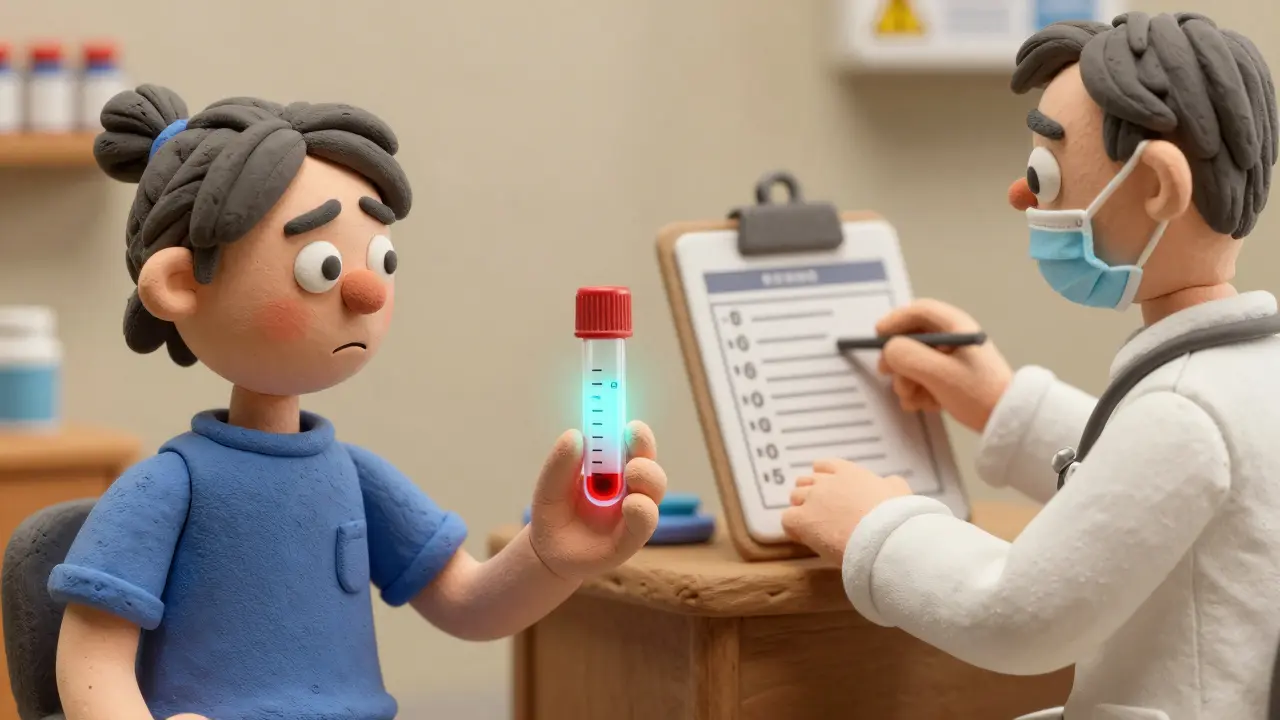
When a patient switches from a brand-name HIV drug to a generic version, most doctors assume it’s just as safe and effective. But what if the generic version doesn’t behave the same way in their body? This isn’t just a theoretical concern-it’s a real risk for people on certain antiretroviral drugs, especially when those generics vary in how they’re absorbed or metabolized. That’s where therapeutic drug monitoring comes in. It’s not a routine test, but for some patients, it’s the difference between staying healthy and facing treatment failure.
Why TDM Matters for Generic HIV Drugs
Therapeutic Drug Monitoring (TDM) measures the actual amount of a drug in a patient’s blood. It’s not about whether the pill looks right or costs less-it’s about whether the drug is doing its job inside the body. For HIV treatment, this matters most with drugs that have a narrow therapeutic index. That means the difference between a dose that works and one that causes harm is small. Protease inhibitors like lopinavir and ritonavir, and non-nucleoside reverse transcriptase inhibitors like efavirenz, fall into this category. When generic versions of these drugs hit the market, some showed slight differences in how quickly they were absorbed. In one case, a patient on a generic lopinavir/ritonavir combo had drug levels twice as high as expected. Without TDM, that patient might’ve developed severe liver toxicity. With TDM, the dose was lowered before damage occurred.What TDM Can and Can’t Do
Not all HIV drugs respond to TDM. Nucleoside reverse transcriptase inhibitors (NRTIs)-like tenofovir, emtricitabine, and abacavir-don’t work the same way. These drugs are prodrugs, meaning they need to be activated inside cells. Measuring their levels in the blood tells you nothing about what’s happening inside the immune cells where they work. So TDM is useless for NRTIs. But for drugs like dolutegravir or efavirenz, plasma levels directly reflect how well the drug is controlling the virus. A study in JAMA Network (2023) showed that even when dolutegravir levels dropped 26% due to a tuberculosis drug interaction, keeping trough concentrations above a specific threshold kept 97.7% of patients virally suppressed at 48 weeks. That’s TDM in action: not guessing, but adjusting based on real data.When TDM Makes the Most Sense
TDM isn’t for everyone. It’s most useful in specific situations:- Patients on generic versions of protease inhibitors or NNRTIs
- Those with kidney or liver disease that changes how drugs are cleared
- People with unexplained treatment failure despite good adherence
- Patients taking drugs that interact strongly with other medications-like rifampin or St. John’s wort
- Children and older adults, where standard dosing often doesn’t fit
In the UK, NHS guidelines recommend TDM for exactly these cases. One clinician reported helping a patient with severe diarrhea who wasn’t absorbing their medication. Viral load stayed high until TDM showed the drug level was too low. After increasing the dose, the virus became undetectable in eight weeks. That’s not luck-it’s precision medicine.
The Hidden Costs and Delays
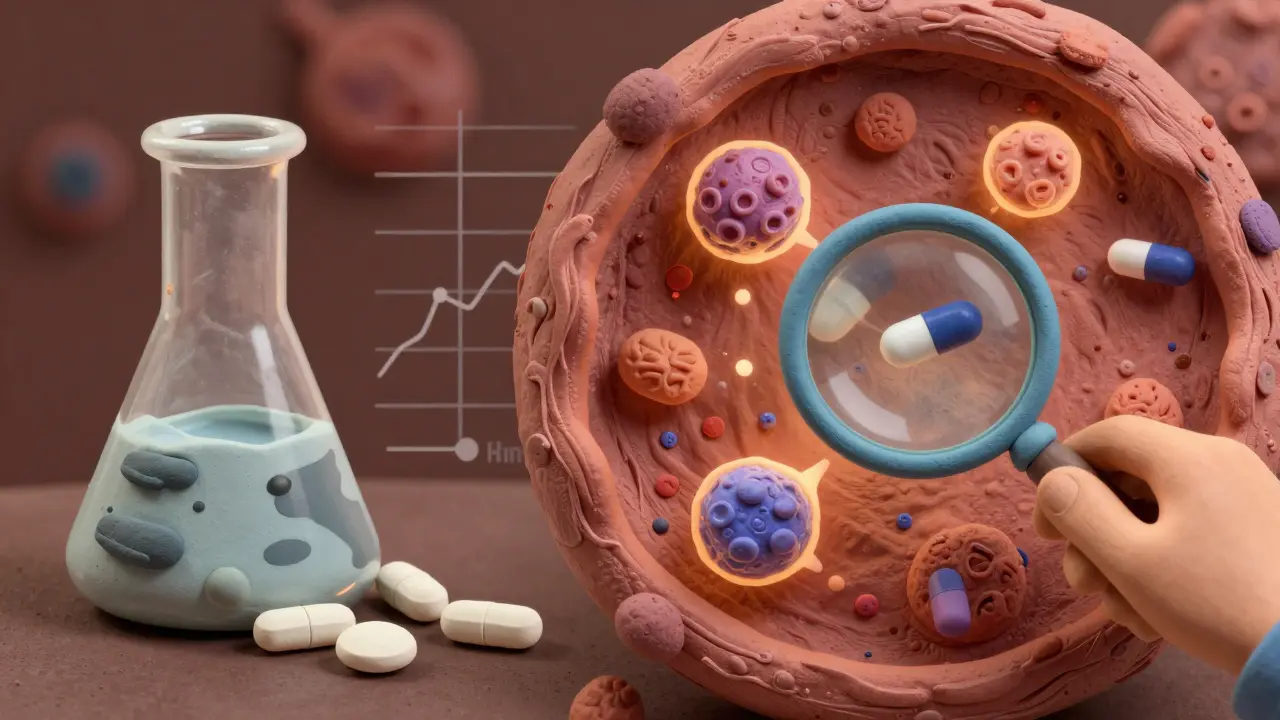
TDM isn’t free. In the UK, each test costs £250-£350. In the U.S., private labs charge $450-$650 for urgent results. Public health systems often take 10-14 days to return results. That delay can be dangerous. One patient on Reddit shared how their clinic ordered TDM after a viral load spike-but by the time results came back, the virus had already developed resistance. TDM isn’t a replacement for regular viral load tests. It’s a tool to fine-tune treatment when standard monitoring isn’t enough. If you’re waiting weeks for TDM results, you’re already behind.Who Offers TDM and Where
Access is limited. In the UK, only 3-5 specialized labs offer TDM for HIV drugs. In Canada, McGill University Health Centre runs a dedicated service. Australia doesn’t have a national TDM program for HIV, but some private pathology labs in Sydney and Melbourne offer it on request. Most general clinics won’t offer it because they lack the expertise to interpret results. Even when the test is done, many doctors don’t know how to use the data. A 2021 European guideline said clinicians need 6-12 months of training to confidently adjust doses based on TDM. Without that, the test is just a number on a page.
Real-World Outcomes
The data is clear: when TDM is used correctly, it works. The NHS found that in complex cases, TDM reduced treatment failure by 18%. In South Africa, a pilot program using TDM for patients on generic antiretrovirals cut treatment failure by 22%. That’s not a small gain-it’s life-changing. But these results only happen when TDM is targeted. Using it for every patient on antiretrovirals? Not worth it. Using it when the patient’s body isn’t responding as expected? That’s where it saves lives.The Bigger Picture: Generic Drugs and Safety
Generic drugs are essential for global HIV care. They’ve made treatment accessible to millions. But not all generics are equal. Bioequivalence studies only prove they’re similar on average-not that they behave the same in every person. TDM bridges that gap. It doesn’t question the value of generics. It protects the people who rely on them. As more low- and middle-income countries adopt generic antiretrovirals, TDM becomes a safety net. Without it, we risk treating people with pills that look right but don’t work right.What Comes Next
TDM won’t replace viral load testing. It won’t become routine. But it’s growing in importance as drug interactions get more complex. Newer drugs like doravirine and cabotegravir have less known pharmacokinetics. TDM is the only way to confirm they’re working as intended in individual patients. The future of TDM isn’t in every clinic-it’s in specialized centers that partner with infectious disease teams. The goal isn’t to test everyone. It’s to test the right people at the right time.Is therapeutic drug monitoring used for all HIV drugs?
No. TDM is not used for nucleoside reverse transcriptase inhibitors (NRTIs) like tenofovir or emtricitabine because these drugs are activated inside cells, not in the bloodstream. TDM is only useful for drugs where blood levels directly reflect effectiveness, such as protease inhibitors (e.g., lopinavir) and non-nucleoside reverse transcriptase inhibitors (e.g., efavirenz).
How long does it take to get TDM results?
In public health systems, results typically take 10-14 days. Private labs in the U.S. and some European centers can return results in 2-3 days for urgent cases, but this costs more-around $450-$650 per test. Delays can be dangerous if treatment failure is already happening.
Can TDM prevent drug toxicity from generic medications?
Yes. There are documented cases where patients on generic lopinavir/ritonavir had unexpectedly high blood levels, leading to liver toxicity. TDM identified the issue before organ damage occurred, allowing doctors to reduce the dose. Without TDM, this could have led to hospitalization or treatment interruption.
Is TDM covered by insurance?
Coverage varies. In the UK, NHS funds TDM for specific clinical scenarios like drug interactions or liver/kidney impairment. In the U.S., private insurers often cover it only if pre-authorized and tied to a clear clinical indication. Many patients pay out-of-pocket, especially if their provider doesn’t have a partnership with a reference lab.
Why isn’t TDM used more widely if it works?
Cost, access, and expertise are the main barriers. TDM requires specialized labs, trained staff to interpret results, and time to act on findings. Guidelines from the U.S. Department of Health and Human Services and the European AIDS Clinical Society don’t recommend routine use. It’s reserved for complex cases where standard approaches have failed.


