
Protein Intake During Chemo: What You Need to Know
When you’re going through chemotherapy, a treatment that targets rapidly dividing cells to fight cancer, your body isn’t just fighting cancer—it’s fighting to stay whole. One of the most overlooked but critical needs is protein intake, the amount of protein your body gets daily to repair tissue, maintain muscle, and support immune function. Without enough protein, you lose muscle faster, heal slower, and feel weaker when you need to be strong. This isn’t about fancy supplements or high-end shakes—it’s about eating enough real food to keep your body from breaking down.
Chemotherapy doesn’t just attack cancer cells. It also hits healthy cells that divide quickly—like those in your gut, hair follicles, and muscles. That’s why many people lose weight, lose appetite, and lose muscle during treatment. Muscle loss isn’t just about looking weaker; it’s linked to worse outcomes, longer hospital stays, and less tolerance for treatment. Cancer nutrition, the practice of adjusting diet to support treatment and recovery isn’t optional—it’s part of the therapy. Studies show patients who maintain protein intake above 1.2 grams per kilogram of body weight (about 0.55 grams per pound) handle chemo better. For a 150-pound person, that’s around 80 grams of protein a day. That’s not a lot—it’s about two eggs, a chicken breast, a cup of Greek yogurt, and a handful of nuts. But when nausea, mouth sores, or taste changes hit, hitting that number gets hard.
It’s not just about quantity. Timing matters. Spreading protein across meals—even if you only eat small amounts—helps your body use it better. Eating protein first at meals, before carbs or fats, can help you keep it down. If solid food feels like a chore, try smoothies with whey or pea protein, cottage cheese, or even peanut butter on toast. Don’t wait until you’re starving to eat. Set alarms if you have to. Muscle loss during chemo, a common side effect caused by reduced activity and poor nutrition can be slowed, sometimes even reversed, with consistent protein and light movement—even walking around the house. And if you’re struggling, talk to a dietitian who specializes in cancer care. They’re not luxury services—they’re part of your treatment team.
What you’ll find in the posts below isn’t theory. It’s real advice from people who’ve been there: how to eat when nothing tastes right, how to track protein without counting every gram, what foods actually help with nausea and fatigue, and why some "healthy" diets can hurt more than help during treatment. These aren’t generic tips. They’re practical, tested, and focused on what keeps you strong when you need it most.
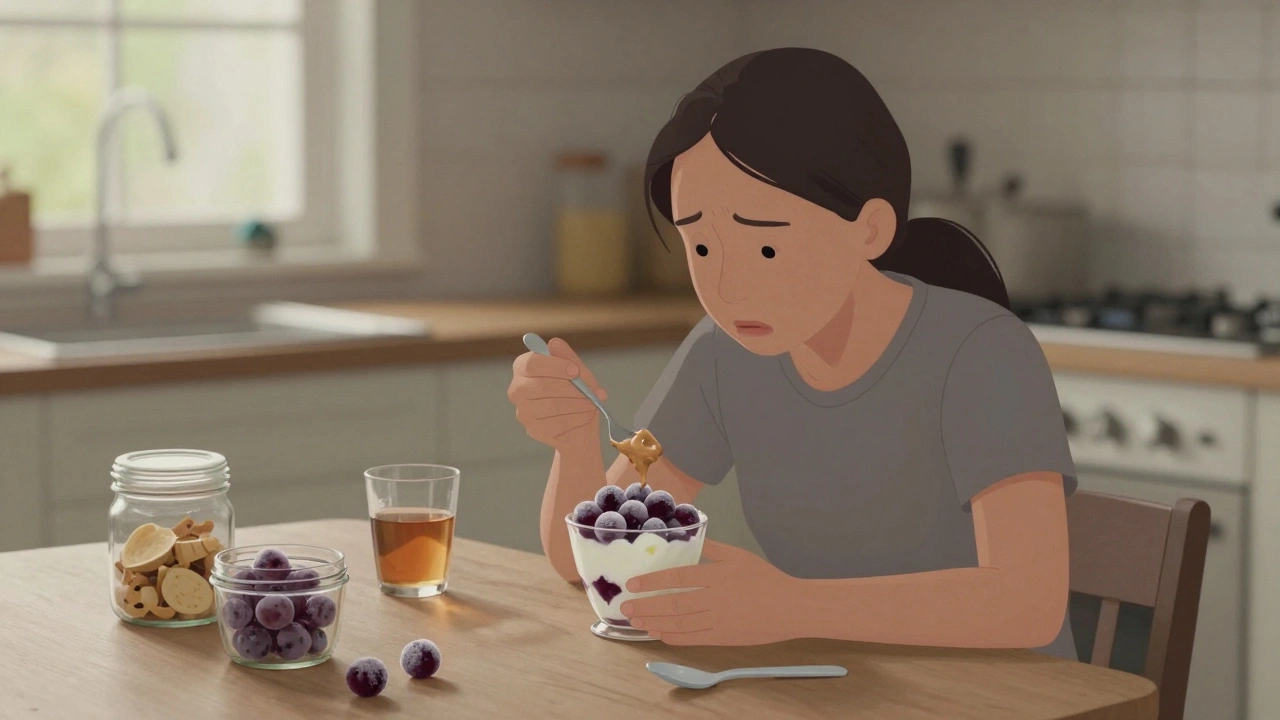
Nutrition During Chemotherapy: How to Manage Nausea and Maintain Weight
Harrison Greywell Dec, 6 2025 13Learn how to manage nausea and prevent weight loss during chemotherapy with science-backed nutrition tips. Discover what to eat, what to avoid, and real strategies that help patients stay strong through treatment.
More Detail