
Celiac Nutrition: What to Eat, Avoid, and How to Stay Healthy
When you have celiac disease, an autoimmune disorder triggered by gluten that damages the small intestine. Also known as gluten-sensitive enteropathy, it’s not a choice or trend—it’s a medical condition that demands real, lasting changes to how you eat. Cutting out gluten isn’t enough. Many people think they’re doing fine just because they skip bread and pasta. But if your gut still feels off, your energy is low, or you’re losing weight without trying, you might be missing something bigger: nutrient deficiencies, common in celiac disease due to damaged intestinal lining that can’t absorb vitamins and minerals properly.
People with celiac disease often lack iron, vitamin D, B12, calcium, and zinc—not because they’re eating poorly, but because their bodies can’t pull nutrients out of food anymore. Even after going gluten-free, healing takes time. Some studies show it can take up to two years for the gut to fully recover, and during that time, you need to actively replace what’s missing. That means eating more leafy greens, eggs, fortified gluten-free grains, dairy (if tolerated), and sometimes supplements under a doctor’s care. And don’t forget gluten contamination, a silent threat that can come from shared toasters, cutting boards, or even flavored coffee beans. A single crumb of regular bread can trigger symptoms and set back healing.
It’s not just about avoiding wheat. Hidden gluten hides in soy sauce, salad dressings, medications, and even some lip balms. Reading labels isn’t optional—it’s survival. And while gluten-free products are everywhere now, many are loaded with sugar, fat, and low-quality carbs that don’t help your health. Real celiac nutrition means focusing on whole foods: vegetables, fruits, lean meats, fish, nuts, seeds, beans, and naturally gluten-free grains like quinoa, buckwheat, and rice. It’s about rebuilding your body from the ground up, not just swapping one processed food for another.
What you’ll find in these posts isn’t a list of gluten-free recipes—it’s real, practical advice from people who’ve been there. You’ll see how to spot hidden gluten, how to fix nutrient gaps without guesswork, what supplements actually help, and how to handle dining out without fear. No fluff. No marketing. Just what works when your gut is fragile and your health depends on every bite.
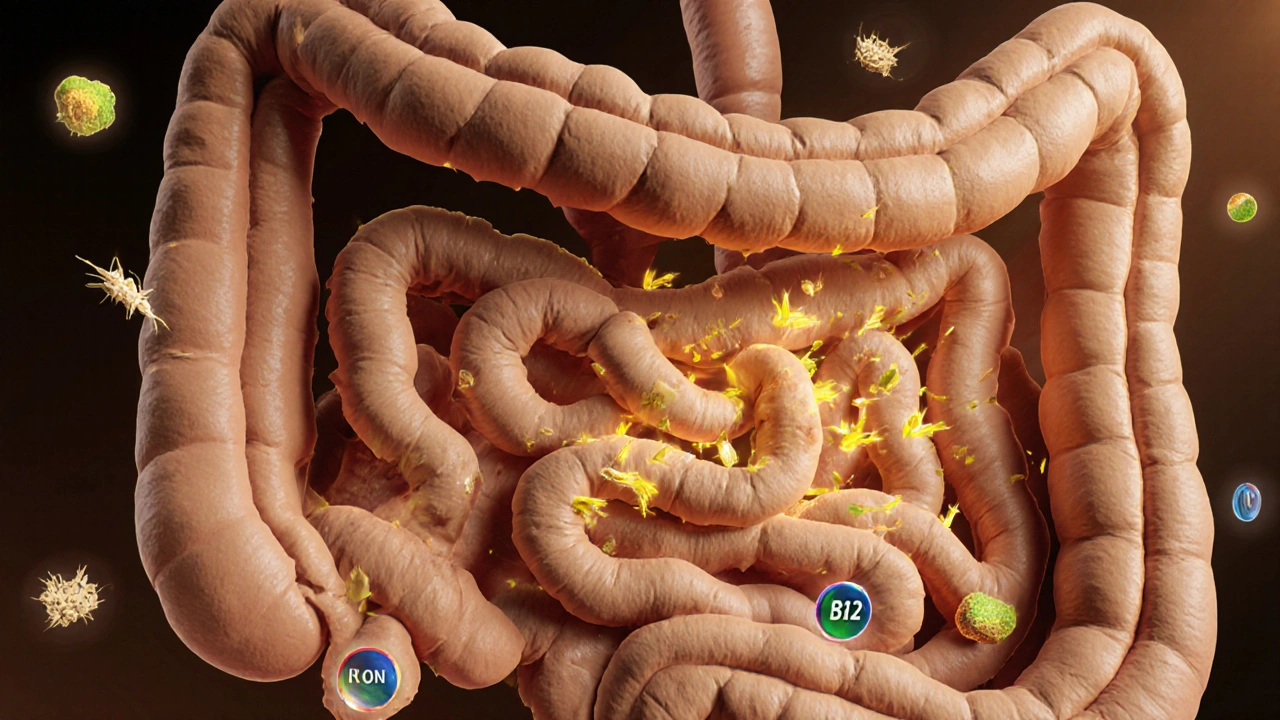
Celiac Disease: How to Live Gluten-Free and Fix Nutrient Deficiencies
Harrison Greywell Nov, 23 2025 8Celiac disease requires lifelong gluten avoidance to prevent gut damage and nutrient loss. Learn how to fix common deficiencies like iron, vitamin D, and B12 - and avoid hidden gluten that keeps you sick.
More Detail