
Peppermint Oil for IBS: What the Evidence Says and How to Use It Right
Dec, 2 2025
If you’ve struggled with bloating, cramps, or unpredictable bowel habits for months-or years-you know how exhausting IBS can be. Prescription meds don’t always work, and side effects can make things worse. That’s why so many people turn to peppermint oil. But does it actually help? And if it does, how do you use it without making your symptoms worse?
Why Peppermint Oil Works for IBS
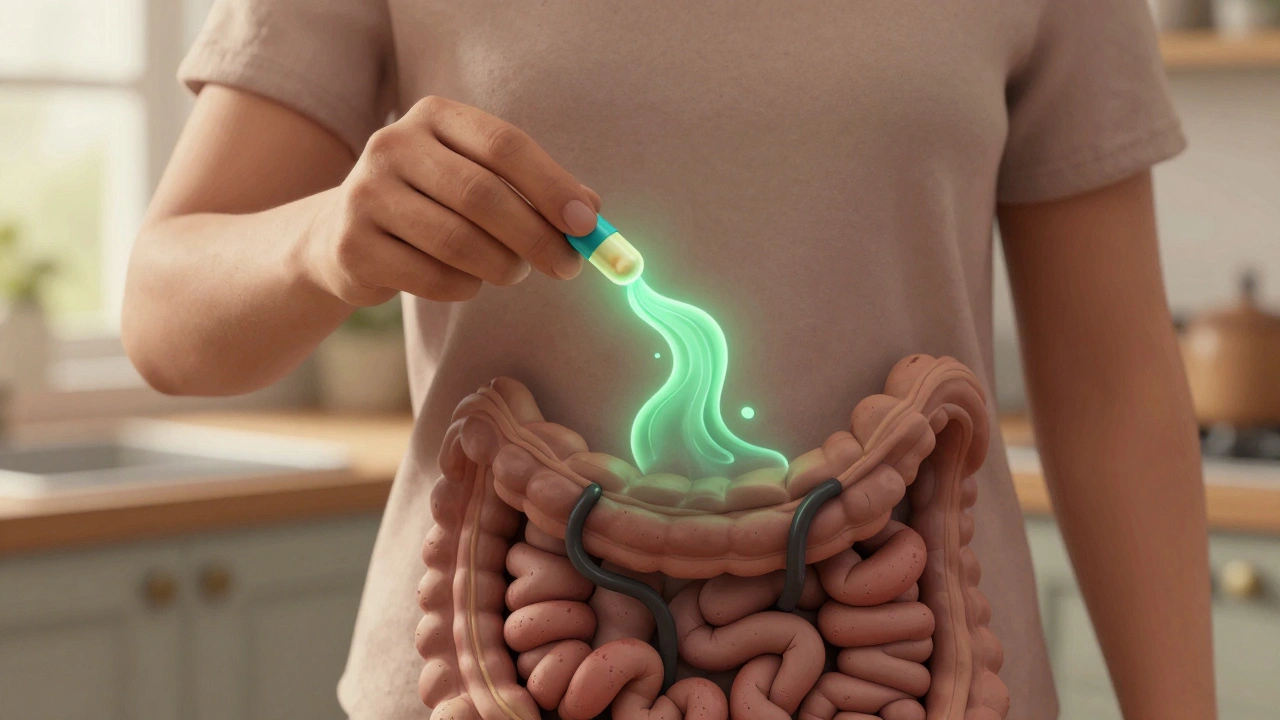
Peppermint oil isn’t just a minty breath freshener. Its real power comes from L-menthol, the main compound in the oil. L-menthol acts like a natural muscle relaxant in your gut. It blocks calcium channels in the smooth muscle lining your intestines, which stops those painful spasms that cause cramping and urgency. It also interacts with TRPM8 receptors, which helps calm down the oversensitive nerves in your gut that make normal digestion feel like agony. This isn’t folklore. Over 12 randomized trials involving more than 800 people show peppermint oil consistently improves overall IBS symptoms. A major 2014 meta-analysis found people using enteric-coated peppermint oil were more than twice as likely to see symptom relief compared to placebo. The European Medicines Agency officially approved it for IBS in 2014. The American College of Gastroenterology’s 2022 guidelines give it a conditional recommendation as a first-line option-right alongside prescription antispasmodics.Not All Peppermint Oil Is the Same
Here’s the catch: if you buy regular peppermint oil from a health store and swallow it like a supplement, you’re probably making things worse. Uncoated peppermint oil dissolves in your stomach. That’s why so many people report heartburn after taking it. In fact, 43% of users who take non-enteric-coated forms stop because of stomach irritation. The only form that works for IBS is enteric-coated. This special coating keeps the oil from breaking down until it reaches your small intestine-where it’s needed. Look for capsules labeled “enteric-coated” or “delayed-release.” Popular brands include IBgard® (with triple-coated microspheres), Colpermin®, and generic versions that meet USP Verified standards. Independent testing by ConsumerLab found only 62% of commercial peppermint oil products actually meet quality standards. Some contain fillers, inconsistent menthol levels, or even pesticide residues. The FDA issued a warning in 2020 about this. Stick to products with the USP Verified Mark-it’s your best guarantee of safety and potency.How to Take It for Best Results
Dosing matters. Most studies use 0.2-0.4 mL of peppermint oil per capsule, which equals about 180-200 mg. The standard is three capsules a day, taken 30 to 60 minutes before meals. Taking it on an empty stomach lets the coating dissolve properly in the right part of your gut. A patient-led study on CureTogether found people who took capsules 20 minutes before eating had an 84% success rate. Those who took them with meals? Only 52%. Timing makes a huge difference. Start slow. If you’re new to this, begin with one capsule a day for a week. Some people get mild heartburn at first-about 28% do-but it usually fades as your body adjusts. If you’re still uncomfortable after a week, talk to your doctor. Don’t push through persistent discomfort.What to Expect and When
Don’t expect magic overnight. Most people notice reduced cramping and bloating within 1-2 weeks. The biggest improvements typically happen by week 4. In one study, 79% of users had their symptoms under control by then if they followed the right protocol. For abdominal pain specifically, peppermint oil helped 52% of users-nearly double the placebo rate. It’s especially effective for IBS-C (constipation-predominant) and IBS-M (mixed) types, with 68% of users reporting improvement. But for IBS-D (diarrhea-predominant), results are mixed. In some cases, it can make loose stools worse.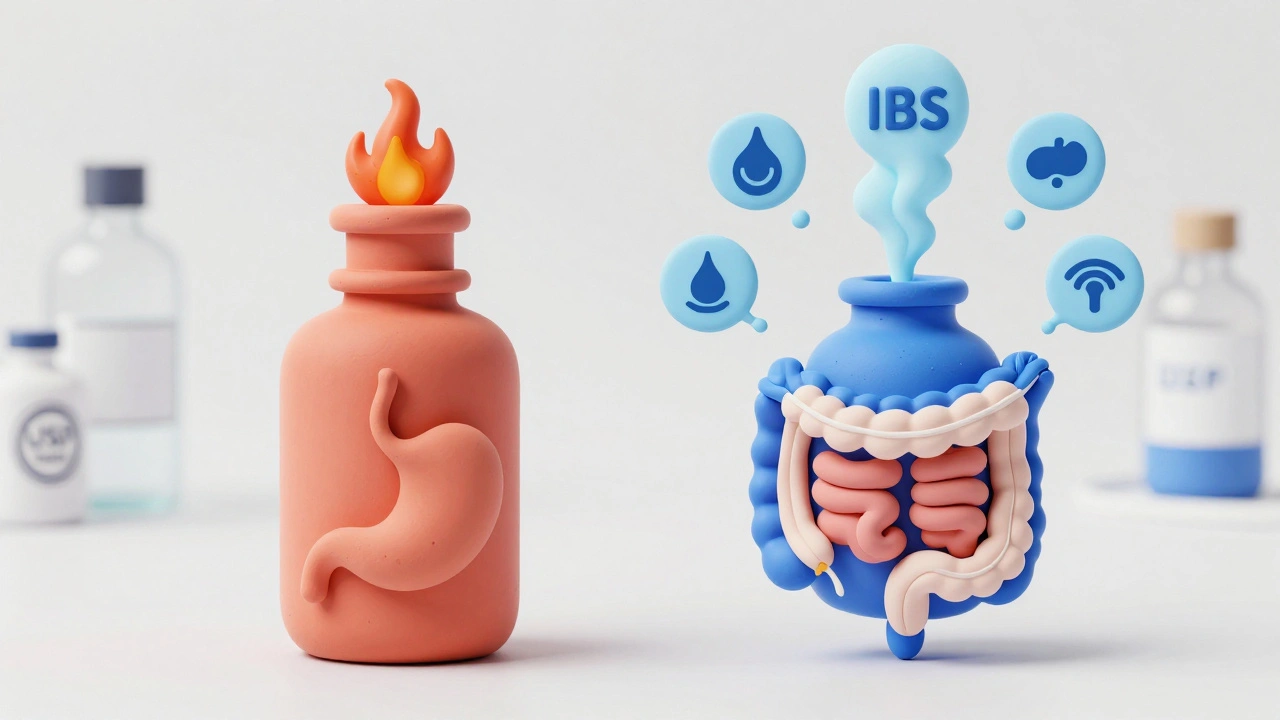
How It Compares to Other Treatments
Peppermint oil isn’t a cure-all, but it holds its own against prescription drugs. - It works as well as hyoscine butylbromide (Buscopan) for cramping. - It’s less effective than trimebutine or eluxadoline, but those are stronger prescription meds with more side effects. - It beats loperamide (Imodium) for overall symptom control, especially if pain is your main issue. - It’s cheaper than most prescriptions. A 30-day supply of generic enteric-coated capsules costs $15-$25. A month of eluxadoline? Over $300 without insurance. A 2021 cost-effectiveness study found peppermint oil had an 89% chance of being the most cost-effective option for IBS. For many, it’s the first treatment that actually improves quality of life without a prescription.Side Effects and Risks
Most side effects are mild. About 11% of users report them, compared to 5% on placebo. The most common? Heartburn (7.3%), nausea (2.1%), and a burning sensation around the anus (1.8%). Avoid peppermint oil if you have GERD or a hiatal hernia-it can relax the lower esophageal sphincter and make reflux worse. Also, don’t take it with proton pump inhibitors (like omeprazole). These drugs change stomach pH and can cause the coating to break down too early, leading to heartburn and reduced effectiveness. Long-term safety data is limited. The longest trial followed people for only 12 weeks. But a 2023 safety registry tracking over 12,000 users found no serious adverse events over two years. No liver damage, no dependency, no rebound symptoms. That’s rare for a gut treatment.What Real Users Say
On Drugs.com, peppermint oil has a 7.3/10 rating from nearly 250 reviews. Sixty-two percent say it helped. One Amazon review from October 2022 says: “I tried five different meds. Nothing worked. After two weeks of peppermint oil, I went from 5 cramps a day to maybe one a week.” But not everyone wins. On WebMD, 42% of negative reviews mention heartburn worse than the IBS itself. On Reddit, users say: “Works great for two weeks, then stops. I don’t know why.” The pattern? People who stick with it, take it before meals, and use quality capsules report the best results. Those who take it randomly or with cheap, uncoated products often give up too soon.
Who Should Try It-and Who Shouldn’t
Good candidates: - People with IBS-C or IBS-M - Those who want to avoid prescription meds - Anyone who’s tried diet changes and probiotics without full relief - Patients looking for a low-cost, low-side-effect option Not ideal for: - People with severe IBS-D - Those with GERD or frequent heartburn - Anyone allergic to mint or menthol - Children under 12 (though new pediatric trials are underway)What’s Next for Peppermint Oil
Science is moving fast. Researchers are testing new formulations like PO-101, a modified menthol with 70% less heartburn risk. There are also new combination products in development that target both the small and large intestine. The Rome Foundation upgraded peppermint oil from “possibly recommended” to “recommended” in 2023. That’s a big deal-it means experts now see it as a core tool, not just a backup. A major NIH-funded trial is now studying peppermint oil in kids aged 5-12. Right now, there’s almost no data for pediatric IBS. That could change soon.How to Get Started
1. Buy enteric-coated peppermint oil capsules with the USP Verified Mark. 2. Start with one 180-200 mg capsule 30 minutes before breakfast. 3. After 3 days, add a second before lunch. 4. After another 3 days, add a third before dinner. 5. Keep a symptom journal. Note cramping, bloating, and bowel changes daily. 6. Give it 4 weeks. If you see no change, stop. 7. If it helps, keep going. Many users stay on it for months or years. Talk to your doctor before starting, especially if you’re on other meds. But if you’ve been stuck with IBS for a long time, peppermint oil might be the first thing that actually works.Can I use peppermint oil from the grocery store for IBS?
No. Regular peppermint oil sold for aromatherapy or flavoring isn’t enteric-coated and will dissolve in your stomach. This often causes heartburn and doesn’t reach the intestines where it’s needed. Only use capsules specifically designed for IBS with enteric coating.
How long does it take for peppermint oil to work for IBS?
Most people notice less cramping and bloating within 1-2 weeks. Full symptom improvement usually takes 4-6 weeks. Don’t give up before then-your body needs time to adjust.
Is peppermint oil safe for long-term use?
There’s no evidence of long-term harm. The longest clinical trial lasted 12 weeks, but a real-world safety registry of over 12,000 users found no serious side effects over two years. Many people use it for months or years without issues.
Can I take peppermint oil with probiotics or fiber supplements?
Yes. Peppermint oil works well with probiotics and soluble fiber like psyllium. In fact, many people combine them for better results. Just avoid taking peppermint oil at the same time as proton pump inhibitors-they reduce its effectiveness.
Why does peppermint oil help some people but not others?
It depends on your IBS subtype and gut biology. Peppermint oil works best for IBS-C and IBS-M because it reduces spasms and slows transit. For IBS-D, it can sometimes make diarrhea worse. Researchers are also studying whether your gut microbiome (your “enterotype”) affects how well you respond.
What if peppermint oil doesn’t work for me?
You’re not alone. About 33% of users stop because it doesn’t help or causes side effects. Try switching brands-quality varies. If that doesn’t help, talk to your doctor about other options like low-dose antidepressants, rifaximin, or dietary changes like the low FODMAP diet. Peppermint oil is one tool, not the only solution.


