
Generic Pill Appearance Changes: What You Need to Know About Safety, Legality, and Patient Risk

Dec, 12 2025
Have you ever opened your pill bottle and thought, "This isn't the same pill I've been taking for years"? You're not alone. Millions of people in the U.S. face this exact moment every year. A blue tablet becomes white. A round pill turns oblong. The numbers stamped on it? Gone. It’s not a mistake. It’s legal. And it’s happening because of trademark law - not medicine.
Why Do Generic Pills Look Different?
Generic drugs aren’t copies. They’re legally required to have the same active ingredient, strength, and effect as the brand-name version. But they’re allowed - even encouraged - to look completely different. Why? Because U.S. trademark law says generic manufacturers can’t make their pills look identical to the original brand. Pfizer, AstraZeneca, and other brand-name companies own the visual identity of their drugs. That means if your blood pressure pill was once a small, peach-colored oval from Brand X, the generic version from Company Y can’t copy that shape or color. So they make it a large, white circle instead. This isn’t about quality. It’s about branding. The FDA doesn’t care what color your pill is, as long as it delivers the same dose of the same active ingredient at the same rate. That’s called bioequivalence. But patients? They care a lot.What Changes? What Stays the Same?
When a generic drug switches manufacturers, here’s what can change:- Color: Sertraline (generic Zoloft) can be blue, green, or white. Lisinopril comes in white, pink, or peach.
- Shape: Metformin is sometimes round, sometimes oblong. Gabapentin varies wildly - capsules, tablets, scored, uncoated.
- Size: One manufacturer’s 10mg tablet might be 8mm wide; another’s could be 12mm.
- Markings: Letters or numbers stamped on the pill change with every new maker.
- The active ingredient (e.g., sertraline, metformin, lisinopril)
- The dosage (e.g., 50mg, 100mg)
- The way your body absorbs it (bioequivalence)
- The FDA’s approval standards for purity, strength, and stability
How Often Do Appearance Changes Happen?
More often than you think. A patient in a UCLA Health study reported nine different appearances for the same medication over 15 years. That’s not rare. One in two people taking generics will see a change in pill appearance within a year. According to a 2022 survey by the American Pharmacists Association, 42% of patients noticed a change in their regular medication’s look over 12 months. And 28% of those patients were worried enough to question whether the new pill was safe or even the same drug. Pharmacies choose the cheapest generic option available each month. If Manufacturer A drops their price, the pharmacy switches. If Manufacturer B’s shipment arrives early, they use that instead. That’s how your once-blue tablet becomes a pink one - not because the drug changed, but because the supplier did.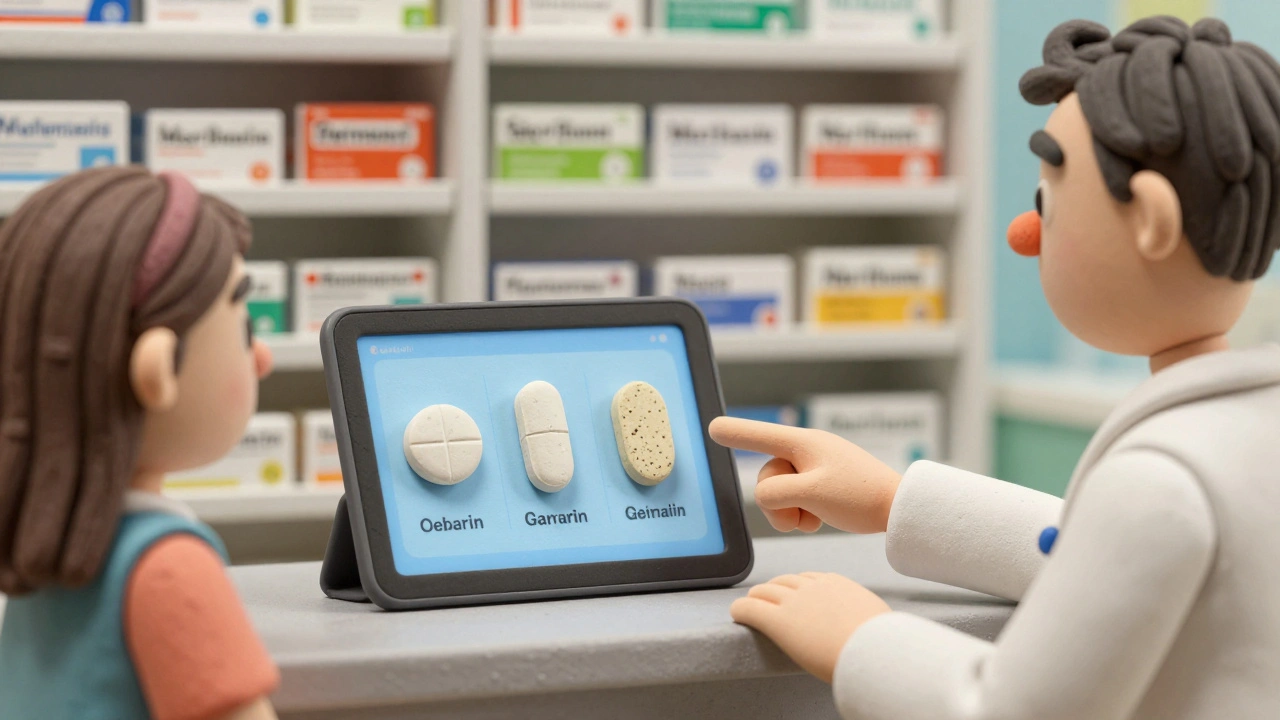
The Real Danger: Patients Stopping Their Meds
The biggest risk isn’t the pill changing. It’s what patients do after it changes. A landmark study in the Annals of Internal Medicine found:- 34% of patients stopped taking their medication after a color change
- 66% stopped after a shape change
Legality: Is This Even Allowed?
Yes. Completely legal. The FDA explicitly permits these differences. In fact, the agency says it’s required under trademark law. The U.S. Patent and Trademark Office protects brand-name drug appearances as intellectual property. Generic manufacturers can’t copy them - even if they wanted to. There’s no law forcing generics to match brand-name looks. But there is a growing push to change that. In a 2014 letter published in ACP Journals, Drs. Uhl and Peters wrote: “Bioequivalent generic drugs that look like their brand-name counterparts enhance patient acceptance.” The FDA has acknowledged this concern. In 2025, new rules under Section 505(o)(4) of the Federal Food, Drug, and Cosmetic Act allow the FDA to require labeling updates when new safety data emerges - including data about adherence issues caused by appearance changes. The MODERN Labeling Act of 2020 gave the FDA more power to update generic drug labels quickly. But it didn’t fix the root problem: trademark law.What You Can Do to Stay Safe
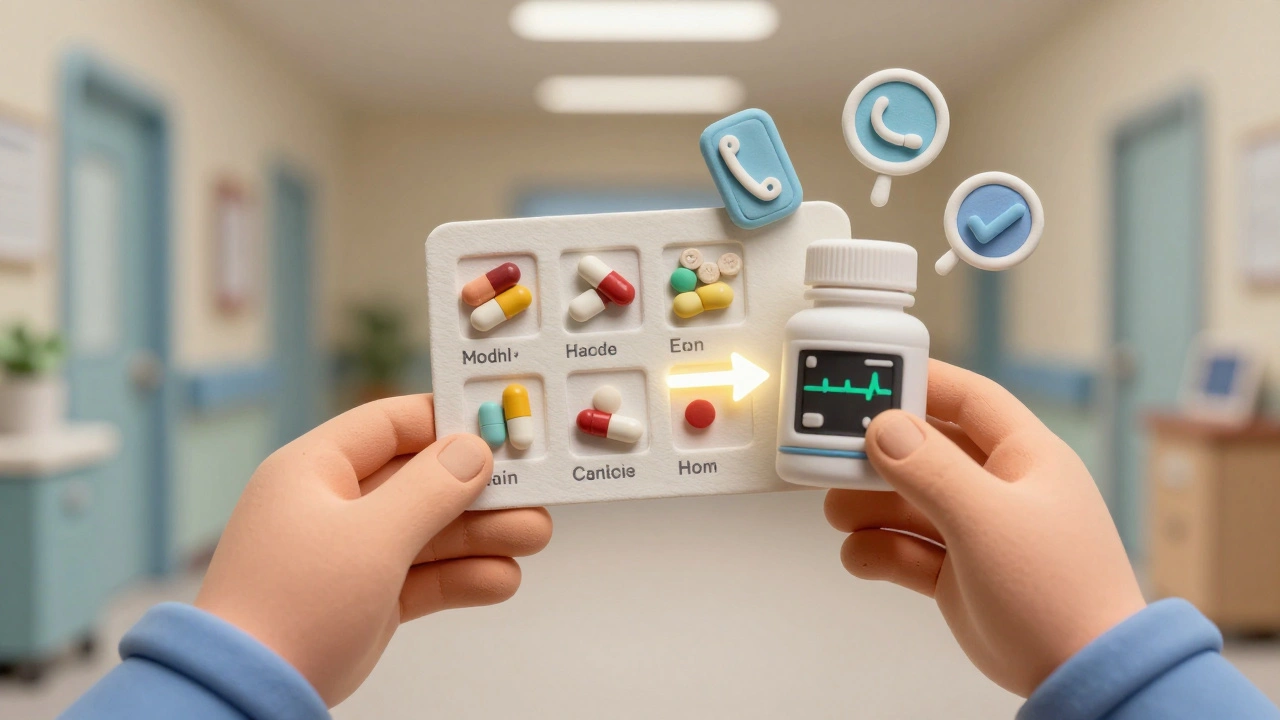
You don’t have to guess. You don’t have to risk your health. Here’s how to stay in control:- Keep a medication list. Write down the name, dose, color, shape, and marking of every pill you take. Take this list to every doctor and pharmacy visit.
- Ask your pharmacist. When you get a refill and the pill looks different, say: “This isn’t what I usually get. Can you confirm it’s the same medication?” Pharmacists are trained to check this. They’ll show you the manufacturer, batch number, and confirm it’s correct.
- Use a pill identifier tool. Websites like Medscape’s Pill Identifier let you search by color, shape, and imprint. Just enter what you see - no prescription needed.
- Don’t stop taking it. If you’re unsure, call your doctor or pharmacist before skipping a dose. Your health is worth the 5-minute call.
- Ask for consistency. If your medication changes too often, ask your doctor to write “Dispense as Written” on your prescription. That tells the pharmacy to stick with one manufacturer.
What Pharmacies Are Doing to Help
Pharmacists are on the front lines. In 2023, 78% of pharmacies started including appearance change notices with refill labels - up from 45% in 2018. Many now have pill identification stations with printed guides or digital kiosks. Independent pharmacies have jumped from 32% to 63% using pill ID programs since 2020. Some pharmacies even give patients a small card with photos of their common pills. Others send text alerts: “Your metformin refill is now white and round. Active ingredient unchanged.” These aren’t luxuries. They’re safety nets.The Bigger Picture: Cost vs. Compliance
Generics save the U.S. healthcare system over $300 billion a year. More than 70% of all prescriptions filled are generics. That’s a win. But if patients stop taking them because they look different, those savings vanish - replaced by ER visits, hospitalizations, and worsening chronic disease. The system works on price. But human behavior works on familiarity. The disconnect between those two things is the real problem. The FDA, pharmacists, and doctors know this. But changing it means rewriting trademark law - something no one in Washington has been willing to touch. Until then, the burden falls on you.Final Thought: Your Pill, Your Power
You don’t need to understand chemistry. You don’t need to know what bioequivalence means. You just need to know your own body - and your own pills. If it looks different, ask. If you’re unsure, check. If you’re scared, call your pharmacist. That’s not being difficult. That’s being smart. Your health isn’t a commodity. It’s not a line item on a balance sheet. It’s your life. And you have every right to know what’s in your hand - no matter what color it is.Is it safe to take a generic pill that looks different from my usual one?
Yes, it’s safe - as long as the active ingredient, strength, and dosage are the same. Generic drugs must meet the same FDA standards as brand-name drugs. The only difference is color, shape, or markings - which are chosen by the manufacturer to avoid trademark issues. Always confirm with your pharmacist if you’re unsure.
Why do generic pills change appearance so often?
Pharmacies choose the lowest-cost generic manufacturer available each time they refill. If one company lowers its price, the pharmacy switches. That’s why your pill might look different every few months. It’s not a mistake - it’s how the system works to keep prices low.
Can a change in pill appearance affect how well the drug works?
No. The FDA requires generics to be bioequivalent - meaning they deliver the same amount of active ingredient into your bloodstream at the same rate as the brand-name drug. Appearance changes don’t affect absorption, effectiveness, or safety. But if you stop taking it because you think it’s wrong, that’s when the real risk begins.
What should I do if I notice my pill looks different?
Don’t stop taking it. Don’t guess. Call your pharmacist. Ask: “Is this the same medication?” They’ll check the manufacturer, batch, and active ingredient. You can also use free online tools like Medscape’s Pill Identifier to verify the pill by color, shape, and imprint.
Can I ask my doctor to make sure I always get the same generic brand?
Yes. Ask your doctor to write “Dispense as Written” or “Brand Necessary” on your prescription. This tells the pharmacy to stick with one manufacturer - even if it costs a little more. It’s your right to request consistency, especially if you’ve had issues with appearance changes before.


