
Danshen and Heart Medications: Dangerous Interaction Risks You Need to Know
Apr, 17 2026
Heart Medication & Danshen Interaction Checker
Select the medication you are currently taking to see the potential interaction risk with Danshen (Salvia miltiorrhiza).
Risk Level
Description text goes here.
Recommended Actions:
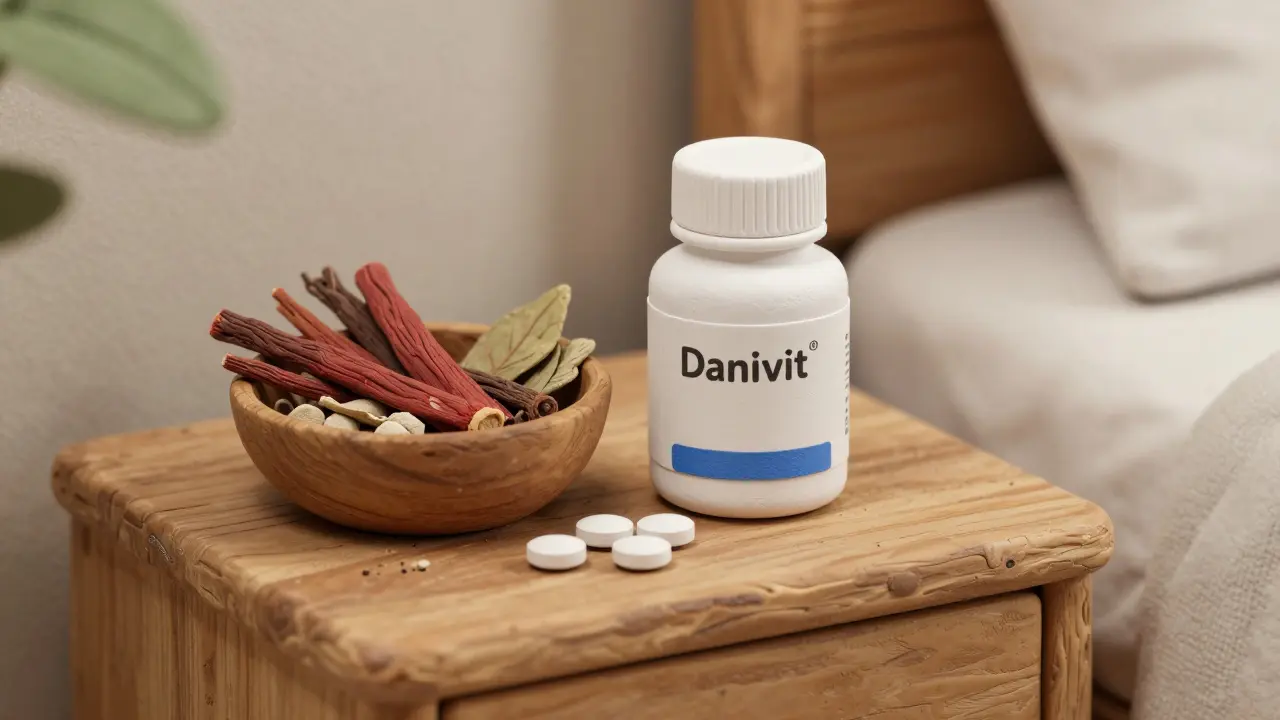
Taking a "natural" supplement sounds like a safe way to support your heart, but in the world of cardiology, "natural" doesn't always mean safe. Imagine a patient who has spent a year stabilizing their blood thinners, only to end up in the emergency room after taking a traditional herbal remedy for just a few days. This is the reality for many people using Danshen is a traditional Chinese herbal medicine, also known as red sage or Salvia miltiorrhiza, used for cardiovascular conditions alongside prescription heart medications. While it has been used since the Han Dynasty to treat angina and stroke, combining it with modern medicine can create a perfect storm for internal bleeding.
How Danshen Actually Affects Your Heart
To understand why this herb is risky, you first have to understand what it does to your blood. Danshen isn't just a mild tonic; it's a potent pharmacological agent. It contains active compounds called tanshinones and salvianolic acids that actively change how your blood behaves. Specifically, it inhibits platelet aggregation-basically stopping your blood cells from sticking together-and dilates your coronary arteries to increase blood flow.
In lab settings, these compounds can reduce platelet activation by up to 68%. While that sounds great for someone trying to prevent a clot, it becomes a massive problem when you're already taking a drug designed to do the exact same thing. When you double up on "blood thinning" effects, your body loses its ability to stop leaks. A simple bruise can become a hematoma, and a small stomach irritation can turn into a life-threatening gastrointestinal bleed.
The Danger Zone: Danshen and Anticoagulants
The most serious risk occurs when Danshen meets Warfarin, a common anticoagulant. Warfarin is a prescription blood thinner used to prevent clots in people with heart valve replacements or atrial fibrillation. This combination is classified as a "Major" interaction by medical experts. The reason is simple: Danshen interferes with the liver enzymes (specifically CYP2C9) that your body uses to break down Warfarin.
When those enzymes are blocked, Warfarin stays in your system much longer than intended. This sends your INR (International Normalized Ratio)-the measurement of how long it takes your blood to clot-skyrocketing. For a person with a mechanical heart valve, the target INR is usually around 2.5 to 3.5. Case reports from the Cleveland Clinic show patients hitting an INR of 8.4 after just two weeks of using Danshen extract. At that level, your blood is essentially too thin to clot, making any internal injury potentially fatal.
| Feature | Prescription Anticoagulants | Danshen (Herbal) |
|---|---|---|
| Dosing Precision | Strict, measured milligrams | Highly variable (0.05% to 5.2% active compounds) |
| Monitoring | Regular blood tests (INR/PT) | Usually unmonitored |
| Reversal Agent | Available (e.g., Andexanet alfa) | No specific pharmaceutical reversal agent |
| Predictability | High (standardized pharmaceuticals) | Low (depends on root quality and extract) |
Beyond Warfarin: Newer Blood Thinners and Risks
You might think you're safe if you've moved away from Warfarin to newer drugs like Rivaroxaban or Apixaban. Unfortunately, the risks still exist. Recent studies have shown that Danshen can inhibit the metabolism of these newer agents as well. This means that even if you aren't tracking your INR, the herb can still increase the concentration of the drug in your blood, leading to what doctors call "clinically relevant non-major bleeding."
This unpredictability is the biggest danger. Unlike a pharmaceutical pill where every tablet has the exact same amount of active ingredient, herbal supplements vary wildly. One bottle of Danshen might have a low concentration of salvianolic acid, while the next has a potent dose. This makes it impossible for your doctor to "adjust" your medication to accommodate the herb safely.
Real-World Consequences: Case Studies in Bleeding
The medical literature is filled with warnings that serve as a cautionary tale. Consider a 62-year-old man who had a mitral valve replacement and was stable on 5 mg of Warfarin daily. After taking Danshen for two weeks, his hemoglobin dropped to 7.6 g/dL-a sign of severe internal blood loss-and his INR jumped to over 8.4. Another 66-year-old man, who had been stable for a year, presented with a bleeding gastric carcinoma just days after starting Danshen.
These aren't isolated incidents. In Taiwan, a study documented 17 separate cases where patients' INR levels jumped from a safe average of 2.3 to a dangerous 5.8 after introducing the herb. Even in online communities like Reddit's r/anticoagulants, users have reported emergency room visits after combining TCM (Traditional Chinese Medicine) prescriptions with medications like Eliquis.
How to Manage Your Heart Health Safely
If you are taking any medication for your heart, the best rule of thumb is to treat herbal supplements as if they are powerful drugs. Many people don't tell their doctors about their supplements because they view them as "food" or "natural tea," but this gap in communication is where the danger lies. A survey found that only 28% of patients taking herbal supplements actually informed their physicians.
If you are determined to use Danshen, you must do so under strict medical supervision. This usually requires twice-weekly blood monitoring until your levels are stable. In some cases, doctors may need to reduce your Warfarin dose by 20% to 50% to prevent a bleed. However, given the lack of standardized dosing for the herb, many cardiologists simply advise against the combination entirely.
Can I take Danshen if I am not on blood thinners?
While the most dangerous interaction is with anticoagulants, Danshen also lowers blood pressure and dilates arteries. If you are taking antihypertensive medications, it could potentially cause your blood pressure to drop too low (hypotension). Always check with a doctor first.
Is Danshen safe for short-term use?
Even short-term use can be dangerous. Case reports show that INR levels can spike significantly within just 3 to 5 days of starting the supplement. There is no "safe" short-term window when combined with potent blood thinners.
What are the signs of a dangerous interaction?
Watch for unusual bruising, nosebleeds that won't stop, blood in your urine or stool (which may look like coffee grounds), or sudden dizziness. If you notice these, stop the supplement and contact your doctor immediately.
Why doesn't the supplement bottle warn me about this?
Supplements are not regulated as strictly as prescription drugs. While some labels may have general warnings, many do not list specific drug-drug interactions. It is the patient's responsibility to verify safety with a healthcare provider.
Are there any alternatives to Danshen for heart health?
There are many ways to support heart health, including diet and exercise, but any supplement-including omega-3s or garlic-can have mild blood-thinning effects. Always run any new supplement by your cardiologist to ensure it doesn't interfere with your life-saving medications.