
Metformin for Infertility: How It Works and What the Evidence Shows
When metformin, a widely prescribed drug for type 2 diabetes that also affects how the body uses insulin is used for infertility, it’s not because it’s a fertility drug—it’s because it fixes a hidden problem: insulin resistance, a condition where the body doesn’t respond well to insulin, leading to high blood sugar and hormone imbalances. This is especially common in women with polycystic ovary syndrome, a hormonal disorder that causes irregular periods, excess androgen, and ovarian cysts, often leading to difficulty getting pregnant. Metformin doesn’t directly trigger ovulation. Instead, it lowers insulin levels, which helps the ovaries work more normally and restores regular menstrual cycles.
Many women with PCOS have high insulin because their bodies overproduce it to compensate for resistance. That extra insulin tells the ovaries to make more testosterone, which shuts down ovulation. Metformin breaks that cycle. Studies show it improves ovulation rates by up to 60% in women with PCOS, especially when combined with lifestyle changes like weight loss or a low-glycemic diet. It’s not a magic pill, but for women who don’t respond to clomiphene or want to avoid injectable fertility drugs, it’s a low-cost, well-studied option. Unlike some fertility treatments, metformin doesn’t raise the risk of multiple pregnancies, and it may even reduce miscarriage rates in women with insulin resistance.
It’s not for everyone. If your infertility isn’t tied to insulin resistance or PCOS, metformin won’t help. Your doctor will check your fasting insulin, glucose, and HbA1c levels before recommending it. Side effects like nausea, diarrhea, or stomach upset are common at first but usually fade with time or by switching to the extended-release form. Some women report improved energy, clearer skin, and even weight loss—side benefits that make sticking with it easier. The key is consistency: you need to take it daily for months before seeing results. And while metformin is often used alone, it’s frequently paired with clomiphene or letrozole when ovulation doesn’t return on its own.
What you’ll find in the posts below are real, practical guides on how medications like metformin fit into broader health strategies. You’ll read about timing, interactions, managing side effects, and how other drugs—like bromocriptine or fiber supplements—can influence outcomes. There’s no fluff, no guesswork. Just clear, evidence-backed information to help you understand what’s happening in your body and what steps actually move the needle when it comes to fertility and metabolic health.
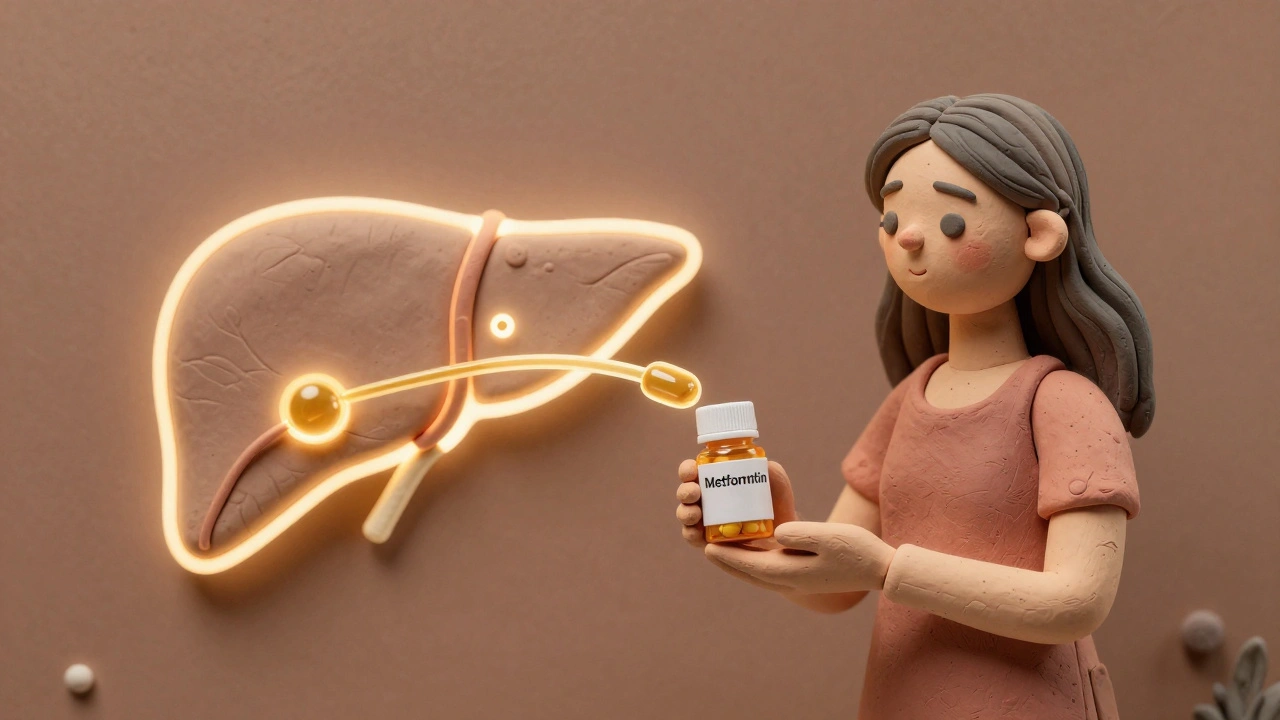
Metformin for PCOS: How It Boosts Ovulation and Insulin Sensitivity
Harrison Greywell Dec, 8 2025 13Metformin improves insulin sensitivity in PCOS, helping restore ovulation and reduce long-term health risks. Learn how it works, who benefits most, and how it compares to other fertility treatments.
More Detail