
Balance Rehabilitation: Vestibular Exercises and Fall Prevention
Feb, 7 2026
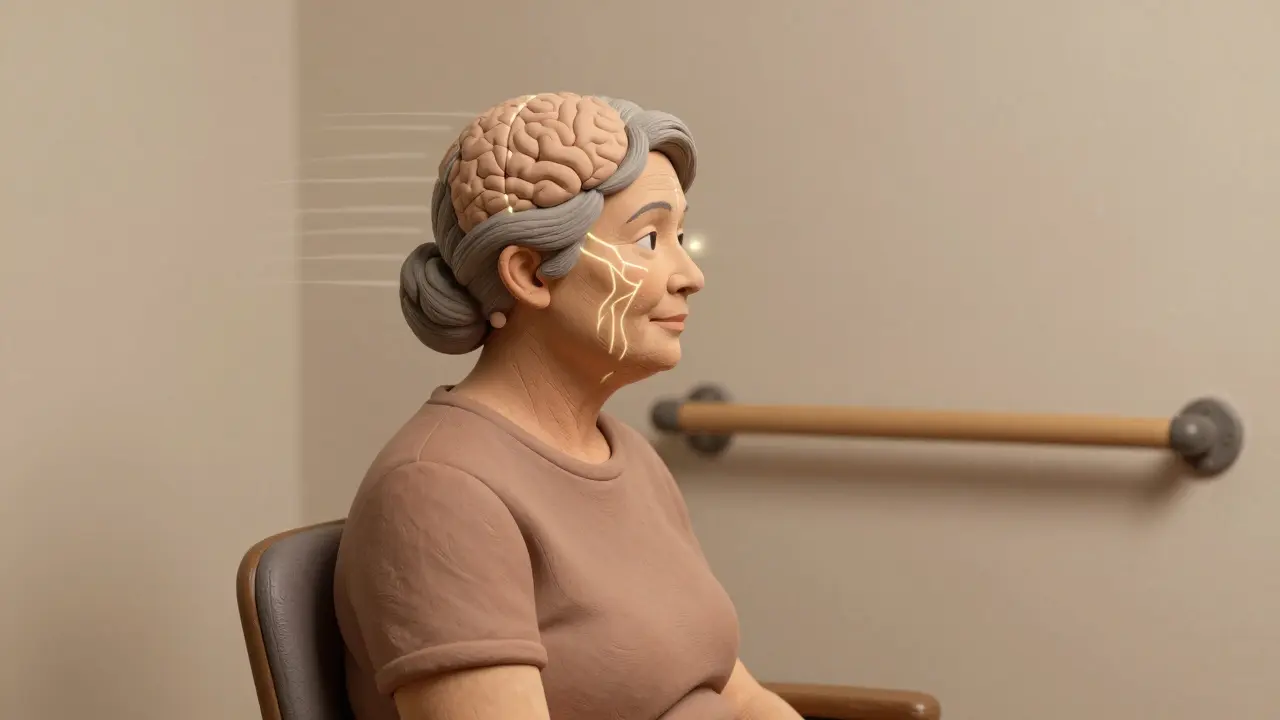
Every year, one in three adults over 65 falls. Many of these falls aren’t just accidents-they’re the result of an unseen problem: a weak or confused vestibular system. This isn’t about being uncoordinated or getting older. It’s about your inner ear, your brain, and how they stop talking to each other. The good news? You can fix this. Not with surgery. Not with pills. But with simple, daily exercises that retrain your body to stay steady on its feet.
What Is Vestibular Rehabilitation Therapy?
Vestibular rehabilitation therapy (VRT) is not a magic trick. It’s science. The vestibular system is the part of your inner ear that tells your brain which way is up, how fast you’re moving, and whether you’re leaning too far to one side. When something goes wrong-whether it’s an infection, head injury, or just wear and tear-your brain gets mixed signals. That’s when you feel dizzy, off-balance, or like the room is spinning.
VRT doesn’t fix the damaged ear. Instead, it helps your brain learn to trust other senses: your eyes, your feet, your muscles. Think of it like relearning how to ride a bike after a long break. Your body remembers, but it needs practice to get back in sync. Studies show that people who stick with VRT improve their balance by 73% and reduce dizziness episodes by 42%. That’s not small. That’s life-changing.
Why Do People Fall? It’s Not Just Weak Legs
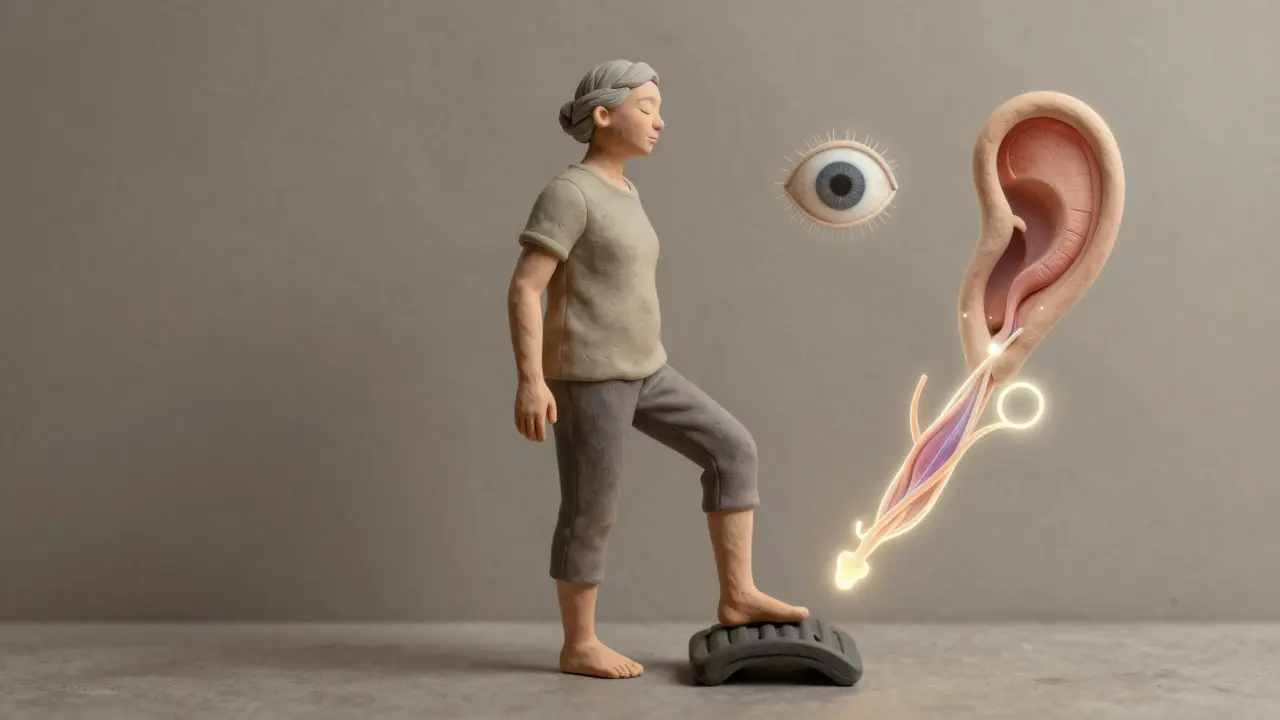
Most people assume falls happen because of weak muscles or slippery floors. But in older adults, the number one cause isn’t strength-it’s sensory mismatch. Your eyes say you’re standing still. Your inner ear says you’re tilting. Your feet feel the floor but can’t tell if it’s flat or uneven. Your brain gets confused. It hesitates. And that hesitation? That’s when you fall.
VRT targets this exact problem. It doesn’t just make you stronger. It makes you more confident. You don’t need to be fit to start. You don’t need fancy equipment. Just a chair, a wall, and the willingness to move-even if it makes you dizzy at first.
The Four Goals of Vestibular Therapy
Every VRT program is built around four clear goals:
- Improve gaze stability-so your vision stays sharp even when your head moves. This helps you read while walking or driving.
- Improve postural stability-so you don’t sway or lurch when standing still.
- Reduce vertigo-the spinning feeling that makes you nauseous and scared to move.
- Restore daily function-so you can go back to cooking, shopping, walking the dog, or playing with grandkids without fear.
A 2012 study from the National Center for Biotechnology Information tracked over 1,000 patients. Those who did VRT regularly saw a 68% improvement in gaze stability and a 53% reduction in fall risk. The key? Consistency. Not intensity. Just doing the exercises every day-even for five minutes.
What Do the Exercises Actually Look Like?
VRT isn’t about lifting weights or running marathons. It’s about controlled movement. Here are the most common, evidence-backed exercises:
- Gaze Stabilization-Sit or stand. Focus on a small object (like a dot on the wall). Slowly move your head side to side or up and down while keeping your eyes locked on the dot. Do this for 30 seconds, three times a day. This trains your eyes and inner ear to work together.
- Balance Training-Stand near a wall or chair for support. Try standing on one foot. Then, close your eyes. Then, stand on a foam pillow. Each step makes your brain work harder. Don’t rush. Do one version for 30 seconds, then rest. Repeat three times per session.
- Habituation Exercises-These are for people who get dizzy from quick movements. Turn your head quickly from side to side while sitting. Then, stand up and turn. Then, walk while turning. Do each motion five times. It’s okay if you feel dizzy. That’s the point. Your brain learns to ignore the signal.
- Walking with Head Movement-Walk slowly across a room while turning your head left and right. Then, walk while looking up and down. Try walking backward. These help your body adapt to real-world movement.
These aren’t just exercises. They’re retraining. Every time you move your head and don’t fall, your brain gets a little smarter. That’s neuroplasticity in action.
Who Benefits the Most?
VRT works for almost everyone with balance issues-regardless of age or cause. Whether you have:
- Benign Paroxysmal Positional Vertigo (BPPV)-the most common inner ear disorder, affecting 2.4% of people
- Vestibular neuritis-a viral infection that knocks out one inner ear
- Meniere’s Disease-a condition with ringing, pressure, and spinning
- Post-concussion dizziness
- Age-related balance decline
VRT helps. You don’t need to be young. You don’t need to be healthy. A 78-year-old with arthritis and diabetes can still improve. One patient, Rhonda, told her therapist she hadn’t been able to walk to the mailbox without holding onto the fence. After six weeks of daily exercises, she walked to the store alone for the first time in years.
How Long Until You See Results?
Some people feel better in two weeks. Others take eight. It depends on how often you do the exercises-not how hard.
Most programs run 6 to 8 weeks. You’ll typically see a therapist once or twice a week to check progress and adjust exercises. But the real work happens at home. You need to do your exercises 3 to 5 times a day. Even if each session is only 5 minutes. Skipping a day slows your progress. Missing two? You might reset.
One Reddit user shared: “I was falling 3 to 4 times a week. After 12 weeks of daily VRT, I haven’t fallen once.” Another said: “I used to get motion sickness reading in the car. Now I read the whole trip. No nausea.”

What to Avoid
Don’t stop moving because you’re dizzy. That’s the biggest mistake. Avoiding movement makes your brain forget how to cope. It’s like wearing a cast on your balance system. The longer you wait, the harder it gets.
Also, don’t expect instant results. If you do the exercises and feel worse for a day or two, that’s normal. It means your brain is working. Keep going.
And don’t rely on medication. Anti-dizziness pills might mask symptoms, but they don’t fix the root problem. VRT does.
Why This Matters More Than Ever
By 2030, nearly 1 in 5 people in Australia will be over 65. Falls are the leading cause of injury-related hospitalizations in older adults. Each fall costs the healthcare system thousands. But VRT? It’s cheap. It’s safe. And it works.
Hospitals like Penn Medicine, Princeton Sports and Family Medicine, and Texas Health Resources have expanded their VRT programs because demand keeps rising. Since 2020, referrals have jumped by 27% year over year. People are waking up to the fact that balance isn’t something you just lose-you can rebuild it.
Getting Started
You don’t need a referral to begin. But you should see a physical therapist who specializes in vestibular rehab. They’ll test your balance, check your eye movements, and design a plan just for you. Then, you take over. Do your exercises. Track your progress. Celebrate small wins.
Start today. Sit in a chair. Pick a spot on the wall. Move your head side to side while keeping your eyes on it. Do it for 30 seconds. That’s your first step. You’re not just preventing falls. You’re taking back your freedom.
Can vestibular exercises help someone who’s had vertigo for years?
Yes. VRT works even for long-standing cases. The brain’s ability to adapt doesn’t disappear with time. Studies show improvement in patients with symptoms lasting over a decade. The key is consistency-doing the exercises daily, even if progress feels slow. Many people who thought they’d live with dizziness for life regain stability after 8 to 12 weeks of regular practice.
Do I need special equipment for vestibular rehab?
No. You don’t need machines, treadmills, or expensive tools. All you need is a chair, a wall for support, and maybe a foam pad or pillow. Most exercises use your own body. Therapists may use goggles to track eye movement, but those aren’t required for home practice. The focus is on movement, not gadgets.
Is VRT only for older adults?
No. While it’s especially helpful for seniors, VRT helps anyone with inner ear issues. This includes athletes recovering from concussions, people with Meniere’s disease, or those who got dizzy after an ear infection. Age doesn’t matter-neuroplasticity works at any stage of life.
What if I feel worse after doing the exercises?
It’s common to feel a bit dizzy or tired after your first few sessions. That’s your brain adjusting. It doesn’t mean you’re hurting yourself. If the dizziness lasts more than 15 minutes after exercising, or if you feel nauseous for hours, ease off slightly and talk to your therapist. But don’t quit. Avoiding movement makes recovery slower.
Can I do VRT on my own without a therapist?
You can start basic exercises at home, but a therapist is still the best way to begin. They’ll identify what’s causing your dizziness and tailor the exercises to your specific issue. Doing random balance drills without knowing your diagnosis can be ineffective or even risky. Once you’ve learned the routine, daily home practice is what drives results.
How is VRT different from general physical therapy?
General physical therapy focuses on muscles, joints, and strength. VRT targets the connection between your inner ear, eyes, and brain. It’s not about building leg muscle-it’s about retraining your nervous system. Two people with the same weak legs might need totally different VRT plans based on their inner ear function. That’s why specialized therapists are essential.


